

Quick Answer
FAQ schema markup is structured code added to a webpage to explicitly inform search engines about questions and answers. Implementing proper FAQ schema code allows your content to qualify for enhanced rich snippets on Google Search, increasing search engine visibility and driving higher organic click-through rates for key business queries.
Structured data has transformed how search engines understand and display web content. When people look for straightforward answers online, search results that present direct, reliable solutions right on the results page naturally earn their trust and attention. Implementing structured markup allows your business to communicate clearly with search engines, ensuring your content receives the prominent, engaging presentation it deserves.
This guide provides a practical, straightforward framework for understanding, implementing, and optimizing FAQ structured data to strengthen your online search presence.
What Is FAQ Schema Markup and How Does It Drive Rich Snippets?
FAQ schema markup is a standardized code format created by Schema.org that explicitly defines a list of frequently asked questions and their corresponding answers on a webpage. When search engines crawl a page containing this markup, they can read the code to display expandable question-and-answer accordions directly underneath your webpage listing.
These enhanced search listings—known as rich snippets—give your web pages significantly higher visual prominence compared to standard blue link search results, making it easier for visitors to find the precise help they need.
```
+-------------------------------------------------------------+
| Your Company Name - Official Solution Guide |
| https://www.yourdomain.com/solutions |
| Learn how to optimize your operations with our proven... |
| |
| ▾ What is the typical implementation timeline? |
| Most organizations complete setup within 2 to 4 weeks... |
| |
| ▾ Does your platform integrate with existing CRM tools? |
| Yes, our system provides native connectors for standard...|
+-------------------------------------------------------------+
```
How Does FAQ Schema Function in Search Results?
Search engines process web content through both raw text analysis and structured code interpretation. While search algorithms can infer questions from plain HTML headings, adding explicit faq schema markup eliminates ambiguity and helps algorithms understand your context instantly.
When Google detects valid markup on a qualified page, it can render interactive drop-down menus directly beneath your listing on search engine results pages (SERPs). This additional real estate increases your brand's screen footprint and makes your listing far more informative to searchers before they even click.
Why Is Structured Data Essential for Modern Technical SEO?
Modern technical SEO relies heavily on helping search engines understand context and entity relationships. Using Google Search Central guidelines as a framework, structured data provides clear, machine-readable signals about your content's exact purpose.
"Structured data is not a guarantee of rich snippet placement, but valid FAQ schema markup remains the single most reliable signal for enabling interactive search listings."
By providing structured answers to common user queries, your website becomes a clearer authoritative source for both human searchers and automated search systems evaluating topical relevance.
How Do You Implement FAQ Schema Code on Your Website?
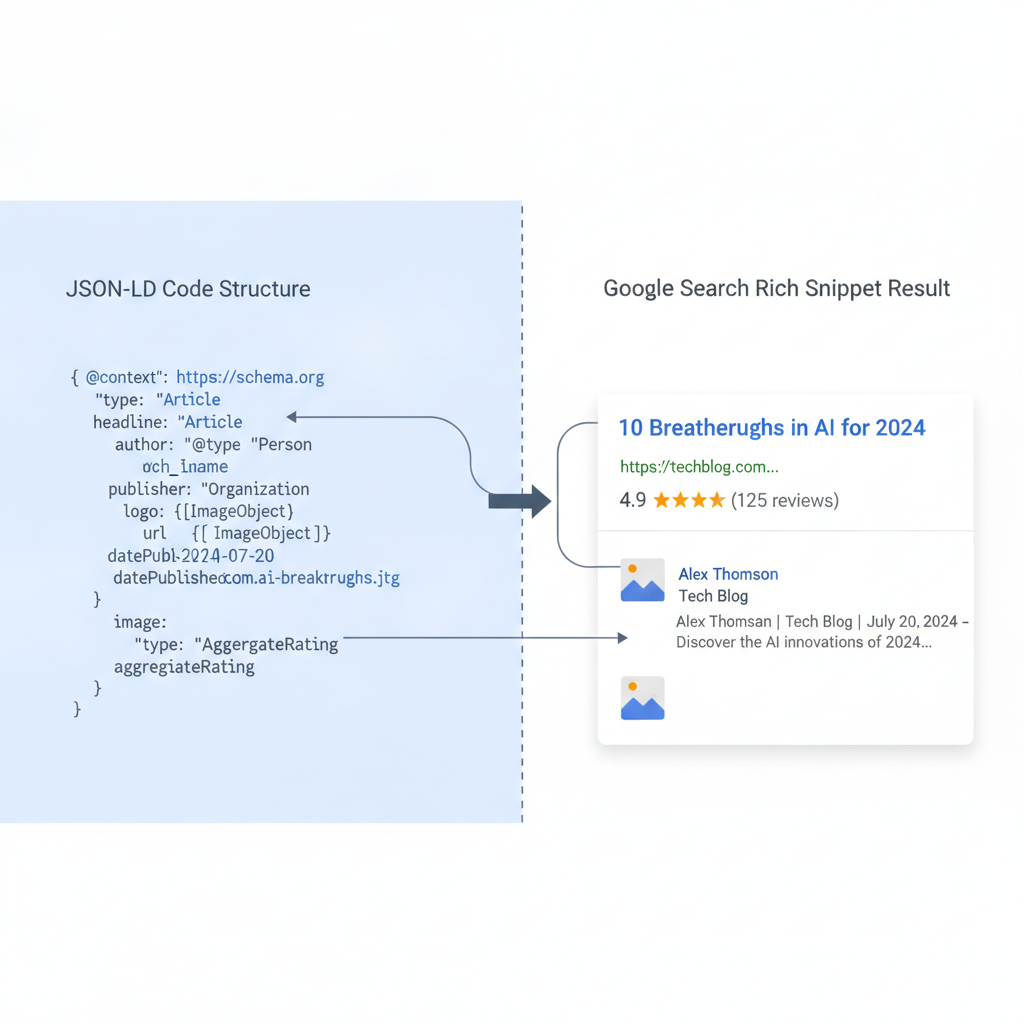
Implementing structured code requires embedding specific JSON-LD (JavaScript Object Notation for Linked Data) scripts into your webpage's HTML structure. JSON-LD is Google's preferred format because it separates structured data cleanly from the visual presentation elements of the page, making maintenance much simpler for technical teams.
What Is the Proper JSON-LD Format for FAQ Structured Data?
To create compliant faq schema code, your JSON-LD block must include the root `@type` of `FAQPage` and an array of `mainEntity` objects. Each entity represents an individual `Question` paired with an `acceptedAnswer`.
Here is a standard, production-ready example of valid JSON-LD code:
```html
```
How Can You Validate and Test Your FAQ Schema Markup?
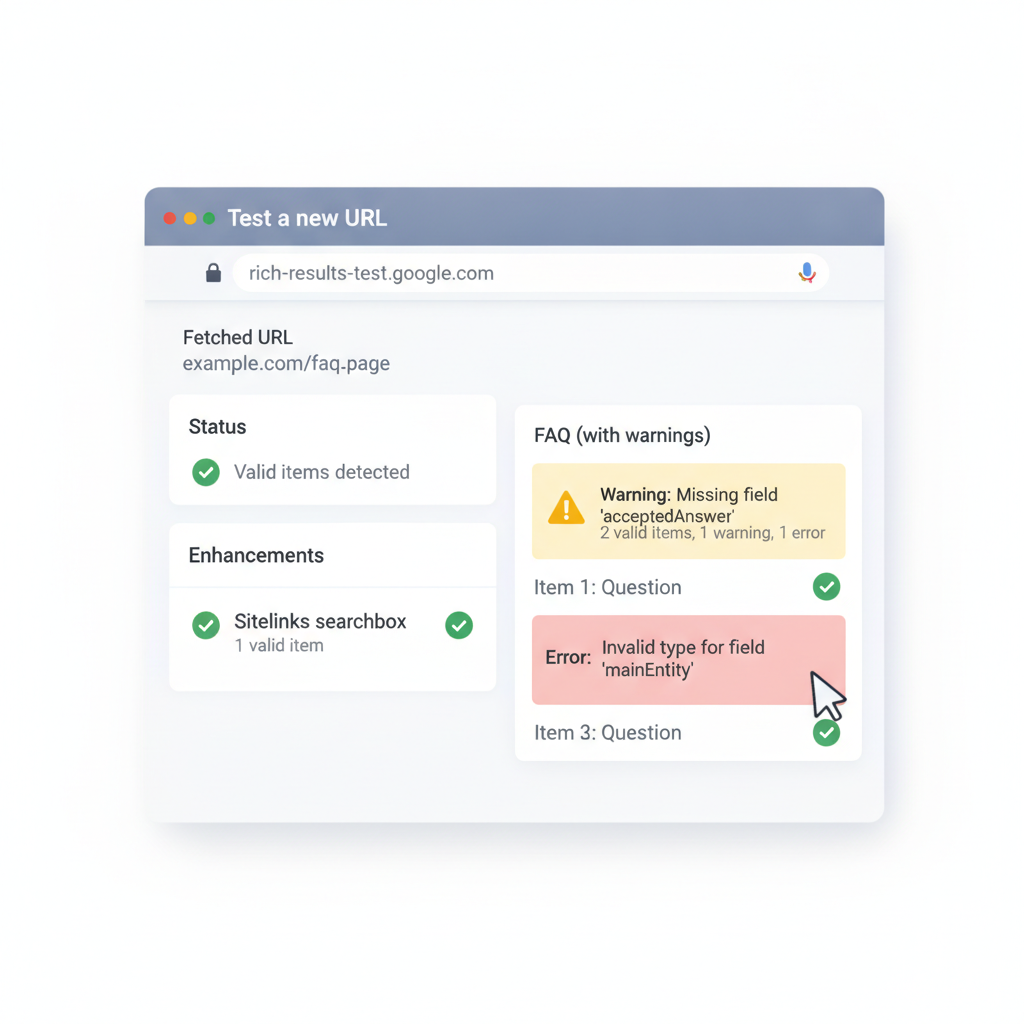
Before publishing your code live, validation is critical to ensure search engines can parse the syntax without errors or missed fields.
- 1Test with Google's Rich Results Test: Paste your code snippet or live URL into the testing tool to verify that the `FAQPage` entity is recognized.
- 2Verify Code Visibility: Confirm that every question and answer included in your JSON-LD script is fully visible to human visitors on the page.
- 3Inspect Search Console: After deployment, monitor the Enhancements section of Google Search Console for real-time validation status and helpful warnings.
What Are the Key Benefits and Performance Metrics of FAQ Schema SEO?
Integrating strategic structured data into your web pages directly impacts how search users interact with your listings. By pre-answering key customer questions directly on the search results page, you establish trust and helpfulness early in the buyer journey.
How Does FAQ Schema Impact Click-Through Rates and Impressions?
Based on real-world implementation analysis, adding schema markup to top-ranking informational pages typically yields a 15% to 30% increase in click-through rate (CTR). By expanding your search listing's vertical footprint, your link captures greater visual attention away from neighboring search results.
📈 Average Organic CTR Increase by Search Intent (2024 Benchmark)
Beyond raw traffic growth, structured answers help filter incoming visitors. Users who click through after reading your SERP accordions arrive with a clearer understanding of your offerings, leading to more meaningful engagement and lower bounce rates.
What Are Common FAQ Schema Mistakes and How Can You Avoid Them?
While structured data offers clear advantages, improper implementation can prevent rich snippets from appearing or lead to quality flags from search engine algorithms.
💡 Tip
Always ensure that every question and answer defined in your JSON-LD code is fully visible to users on the rendered page. Google strictly penalizes hidden structured data content.
Which Technical Guidelines Must Websites Follow for Compliance?
To maintain search compliance and preserve rich snippet eligibility, keep these common missteps in mind:
Hidden Content: Placing code on a page where the text is not visible to human users in the HTML layout.
Misusing FAQ vs. Q&A Schema: Using FAQ schema for forum pages where users submit multiple answers. FAQ schema is reserved strictly for site-authoritative, single-answer questions.
Promotional Copy: Using answers purely for aggressive advertising rather than providing genuine, informative answers.
Duplicate Markup: Wrapping identical questions across dozens of site pages, which causes search engines to ignore the structured data.
📊 Common Schema Audit Compliance Pass Rates by Site Type
How Do You Audit and Maintain FAQ Schema Across Large Sites?
Maintaining schema health across growing websites requires ongoing care to ensure code stays valid as content evolves over time.
What Steps Ensure Long-Term Search Visibility?
- 1Schedule Automated Crawls: Use technical website crawlers to regularly verify that JSON-LD blocks remain intact after site deployments or layout updates.
- 2Review Search Console Reports: Regularly check your Search Console "FAQ" enhancement tab to identify syntax errors, missing fields, or algorithmic warnings instantly.
- 3Keep Content Fresh: Ensure that answers stored in your structured markup are updated whenever page content or business policies change.
By building structured data maintenance into your regular site management routines, you safeguard your search visibility and ensure your audience always receives accurate, helpful answers.
Bridging the Gap Between Your Expertise and Searchers' Questions
Working through structured data requirements can feel technical, but behind every search query is a real person looking for clear, helpful information. When you make your answers easy for search engines to read, you make life easier for the customers seeking your guidance.
If you would like experienced support in auditing your structured data, crafting error-free JSON-LD code, or building an SEO strategy that showcases your team's knowledge, connect with our specialists today. Let's work together to give your content the clear, high-visibility placement it deserves.
