
Rebranding vs. Refreshing Your Logo: When to Do It Without Losing Customer Trust
Deciding whether to update a visual identity or embark on a complete organizational transformation is a critical strategic decision for any business. A logo refresh entails minor aesthetic adjustments to modernize or refine existing visual elements, while a full rebranding involves a comprehensive overhaul of a company's identity, values, messaging, and visual assets. Both strategies demand meticulous planning, extensive market research, and transparent communication to maintain and strengthen customer trust throughout the transition. The choice between these paths is dictated by market conditions, brand health, and long-term strategic objectives.
Understanding Brand Refresh: The Nuances of a Logo Refresh
A brand refresh, particularly a logo refresh, is a strategic enhancement of existing visual elements designed to modernize an identity without altering its core essence. This approach is suitable when a business's fundamental values and mission remain relevant, but its visual presentation appears dated or inconsistent with contemporary design standards. The goal is to evolve the brand's aesthetic appeal, ensuring it continues to resonate with its target audience while preserving established brand recognition and equity.
What Constitutes a Logo Refresh?
A logo refresh involves subtle, yet impactful, modifications to a company's primary visual mark. These changes can include updating typography, adjusting color palettes for contemporary appeal, simplifying complex designs for better digital adaptability, or refining graphic elements to improve clarity and versatility. Unlike a complete overhaul, a logo refresh maintains recognizable characteristics, allowing customers to easily identify the brand. For instance, a common scenario we encounter involves businesses seeking to optimize their logo for diverse digital platforms, where intricate details may become lost or illegible. Simplifying the design ensures greater impact across all mediums, from social media profiles to mobile application icons.
When is a Logo Refresh the Appropriate Strategy?
A logo refresh is typically the appropriate course of action when a business seeks to remain current, enhance its visual appeal, or adapt to minor market shifts without disrupting its established customer base. This strategy is ideal under several conditions:
Modernization: When the existing logo appears outdated or fails to align with current design trends, a refresh can revitalize its appearance.
Improved Clarity and Functionality: Simplifying a complex logo can enhance its readability and adaptability across various digital and physical applications.
Minor Brand Perception Adjustments: If the brand's core values are strong but its visual presentation needs a subtle shift in perception (e.g., from traditional to innovative), a refresh can achieve this.
Consistency Across Platforms: Ensuring the logo functions effectively and consistently across all touchpoints, particularly in a digitally-dominant landscape.
In practice, a business might opt for a logo refresh if its foundational brand messaging is still strong, but its visual elements have begun to feel stagnant. This careful evolution allows the business to signal progress and dynamism without alienating loyal customers or incurring the significant costs associated with a full rebranding effort.
Examples of Successful Logo Refresh
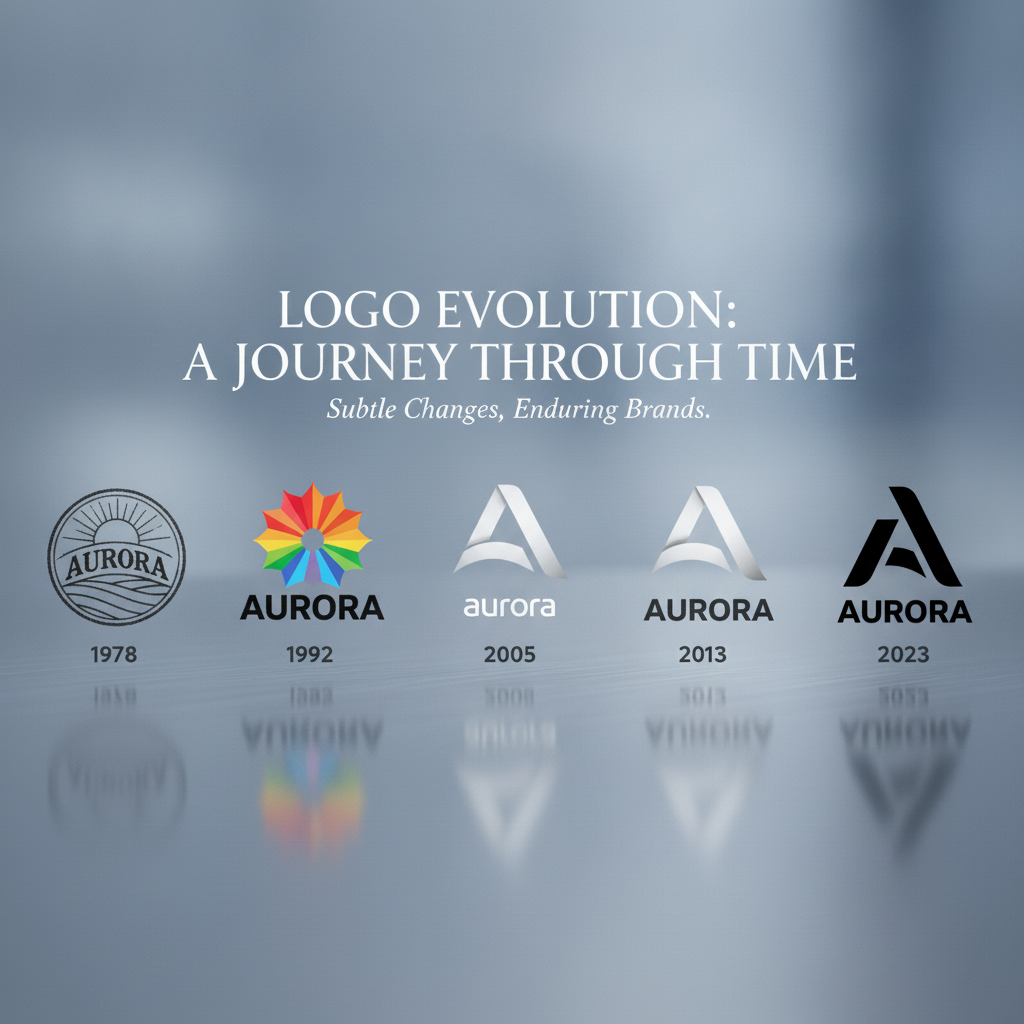
Numerous prominent businesses have successfully executed a logo refresh, demonstrating its effectiveness in maintaining relevance. Consider the evolution of major technology firms or automotive manufacturers; their logos often undergo subtle changes over decades. These include slight alterations to font weight, color gradients, or emblem contours, all designed to refine the visual identity while preserving the immediate recognition cultivated over years. Based on real-world results, a well-executed logo refresh can reinvigorate customer interest, signaling forward momentum and a commitment to contemporary standards.
Deciphering Full Rebranding: A Comprehensive Transformation
Full rebranding represents a profound strategic shift, involving a complete overhaul of a company's identity, values, messaging, and visual assets. This is not merely a cosmetic change but a fundamental repositioning designed to address significant internal or external challenges, capture new market segments, or reflect a complete transformation in the business's direction. It is a complex undertaking that requires substantial resources and a clear strategic vision.
What Defines a Full Rebranding Effort?
A full rebranding effort goes far beyond visual modifications; it redefines the very essence of a business. This comprehensive transformation typically includes:
New Brand Name: A change in the company's legal or primary operating name.
Revised Mission and Vision Statements: Articulating new strategic goals and aspirations.
Updated Core Values: Reflecting shifts in organizational culture or ethical commitments.
New Messaging and Tone of Voice: Crafting entirely new ways to communicate with stakeholders.
Completely New Logo and Visual Identity System: Designing a new logo, color palette, typography, imagery, and graphic elements from the ground up.
Refreshed Brand Architecture: Reorganizing how various products, services, or sub-brands relate to the parent brand.
This extensive process aims to create a cohesive and compelling new identity that accurately represents the business's current state and future aspirations. It demands thorough market research, stakeholder engagement, and a deep understanding of customer perception to ensure the new brand resonates authentically.
When Does a Company Require a Complete Rebranding?
A complete rebranding is necessary when a business faces significant strategic imperatives that cannot be addressed by a mere visual refresh. These situations often include:
Change in Core Business: If the business has pivoted its primary offerings or entered entirely new markets.
Negative Public Perception: To distance the company from past controversies or a tarnished image.
Mergers and Acquisitions: To integrate distinct entities under a new unified identity.
Outdated or Irrelevant Brand Identity: When the existing brand no longer accurately reflects the company's maturity, innovation, or target audience.
Expansion into New Geographic or Demographic Markets: To appeal to a broader or different consumer base.
Competitive Differentiation: To stand out distinctly in an increasingly crowded or evolving marketplace.
"Research indicates that approximately 60% of consumers are more likely to purchase from a brand they perceive as authentic and aligned with their values. A complete rebranding, when executed thoughtfully, can reset these perceptions and build new trust."
For a local business in Houston, for example, a company rebranding might be necessitated by an expansion from serving a specific neighborhood to encompassing the entire metropolitan area, requiring a broader, more inclusive identity. This is a complex undertaking that can yield significant returns if managed professionally.
📊 Brand Evolution: Scope, Cost, and Impact Comparison
Notable Rebranding Examples and Their Impact
History offers numerous impactful rebranding examples. Consider a prominent telecommunications firm that rebranded to reflect its evolution from a phone company to a comprehensive digital services provider. This involved not only a new logo design but also a complete shift in its messaging, customer service approach, and product naming conventions. Such a company rebranding often leads to increased market share, improved customer perception, and a renewed sense of purpose internally, provided it is executed with clear objectives and consistent communication.
Mitigating Risk: Preserving Customer Trust During Brand Evolution
Whether undertaking a modest logo refresh or a comprehensive company rebranding, the paramount concern must always be the preservation and enhancement of customer trust. Disrupting established perceptions without a clear rationale and coherent communication strategy can lead to confusion, alienation, and a decline in customer loyalty. Strategic planning is crucial to navigate these changes successfully.
Strategic Communication as a Foundation
Transparent and proactive communication is the bedrock of a successful brand evolution. Businesses must articulate the "why" behind the change clearly and consistently across all touchpoints. This involves:
Early Announcement: Informing stakeholders, including employees, customers, partners, and investors, well in advance of the official launch.
Clear Rationale: Explaining the motivations for the change, whether it's modernization, a new direction, or enhanced service.
Highlighting Benefits: Emphasizing how the new brand or logo refresh will ultimately benefit the customer, such as improved user experience, expanded offerings, or a clearer identity.
Multi-Channel Approach: Utilizing various channels (website, social media, email campaigns, press releases, in-store signage) to disseminate consistent messaging.
In practice, a detailed communication plan can help manage expectations and prevent speculation. For businesses in Houston, leveraging local media and community channels can be particularly effective in ensuring the message reaches their core audience.
Maintaining Brand Essence During Change
Even during significant change, the fundamental promise and personality of the brand—its essence—must remain consistent. This means:
Identifying Core Values: Understanding which aspects of the brand are non-negotiable and cherished by customers.
Storytelling: Crafting a narrative that connects the old brand to the new, emphasizing evolution rather than abandonment.
Service Consistency: Ensuring that the quality of products or services remains high and consistent throughout the transition. Any perception of diminished quality can severely erode trust, irrespective of the visual changes.
Employee Alignment: Engaging employees as brand ambassadors, ensuring they understand and can articulate the new brand story.
"A well-executed rebranding effort can typically yield a 15-30% improvement in brand perception and customer engagement within the first year, provided the brand's core values and service quality remain unwavering."
Leveraging Customer Feedback and Data
Incorporating customer feedback and market data is critical at every stage of a brand evolution. Before initiating a logo redesign or a full rebranding, conducting surveys, focus groups, and competitive analysis can provide invaluable insights into current perceptions and desired future directions. Post-launch, monitoring social media sentiment, conducting brand tracking studies, and analyzing customer behavior metrics can help assess the impact of the changes and allow for iterative adjustments. This data-driven approach demonstrates a commitment to understanding and serving the customer, reinforcing trustworthiness.
ℹ️ Info
Pro Tip for Local Businesses:
When considering a brand refresh or company rebranding, especially for a local business, engage with your immediate community. Host small focus groups with loyal customers or conduct surveys via local social media groups. Their direct feedback can provide unique insights into local market nuances and help you craft a brand evolution that truly resonates with your core audience without losing valuable trust.
Key Considerations for Houston Businesses
Businesses operating in dynamic markets such as Houston face unique considerations when contemplating a brand refresh or full rebranding. The diverse demographic landscape and competitive business environment necessitate a tailored approach to brand evolution.
Market Dynamics and Local Identity
Houston's robust economy and multicultural population create a unique backdrop for brand strategy. A business in Houston must consider:
Demographic Relevance: Ensuring the refreshed or rebranded identity resonates with the city's diverse ethnic and cultural groups.
Competitive Landscape: Differentiating from numerous local and national competitors, particularly in sectors like energy, healthcare, and technology.
Local Affiliation: Deciding whether to emphasize local heritage or adopt a more universal appeal. For some businesses, maintaining a strong local identity is crucial for customer connection, while others might aim for broader recognition.
Growth Trajectories: Aligning the brand evolution with Houston's continuous growth and development, which attracts new residents and businesses.
Based on our experience, businesses that successfully integrate elements of Houston's unique identity into their brand evolution often achieve stronger local resonance and community buy-in. This can be subtle, such as incorporating resilient themes or references to innovation, rather than overt symbolism.
Resource Allocation and Implementation
Both a logo refresh and a full rebranding require significant investment in time, capital, and human resources. For small business owners and entrepreneurs in Houston, meticulous planning for resource allocation is vital:
Budgeting: Accurately forecasting costs for design, marketing, legal fees, website development, signage, and collateral.
Timeline Management: Establishing realistic timelines for each phase, from concept development to launch and ongoing management. A full company rebranding can take anywhere from six months to two years, whereas a logo refresh might be completed in a few weeks to several months.
Internal Bandwidth: Assessing the capacity of internal teams to manage the project or determining the need for external professional support.
Operational Integration: Planning for the seamless integration of new branding across all operational aspects, including product packaging, uniforms, vehicles, and digital assets.
Underestimating the scope of implementation is a common pitfall. A professional approach ensures that all details are considered, leading to a smooth transition that reinforces trust rather than eroding it.
The Importance of Professional Guidance
Engaging with experienced marketing professionals is a critical step in navigating the complexities of rebranding or a logo redesign. Their expertise can provide the strategic direction and execution precision necessary to achieve desired outcomes without compromising customer trust.
Developing a Strategic Roadmap
Professional guidance ensures that any brand evolution is rooted in a sound strategic roadmap. This involves:
Comprehensive Audit: Conducting a thorough assessment of the current brand's strengths, weaknesses, opportunities, and threats.
Market Research and Analysis: Utilizing expert methodologies to understand target audiences, competitive landscapes, and market trends.
Objective Setting: Defining clear, measurable objectives for the brand refresh or rebranding effort (e.g., increase market share by X%, improve brand recognition by Y%).
Strategy Formulation: Developing a detailed plan that outlines the visual, verbal, and experiential elements of the new or refreshed brand.
Risk Mitigation: Identifying potential challenges and developing contingency plans to address them, particularly concerning customer perception and loyalty.
This structured approach minimizes speculation and ensures that every decision contributes to the overarching business goals.
Ensuring Seamless Execution
Beyond strategy, professionals provide the practical expertise for seamless execution. This includes:
Design and Development: Crafting compelling visual assets and ensuring brand guidelines are robust and adaptable.
Communication Planning: Developing and deploying effective communication strategies across all channels.
Change Management: Assisting internal teams in adopting the new brand identity and messaging, fostering internal alignment.
Launch and Post-Launch Support: Managing the launch process and providing ongoing support to monitor performance and make necessary adjustments.
🥧 Customer Trust Factors During Brand Transition (Estimated Impact)
By entrusting this complex process to experts, businesses can focus on their core operations, confident that their brand evolution is being managed with integrity, excellence, and professionalism.
Conclusion
The decision to undertake a logo refresh or a full company rebranding is a strategic imperative that profoundly impacts a business's trajectory and relationship with its customers. A logo refresh offers a method for modernization and refinement, preserving brand equity while signaling progress. A full rebranding, conversely, is a transformative endeavor designed to align an identity with a new strategic direction or market reality.
Regardless of the chosen path, the paramount objective is to preserve and strengthen customer trust. This is achieved through transparent communication, consistent delivery of value, and a commitment to understanding and responding to customer feedback. For businesses, particularly small business owners and entrepreneurs in dynamic markets like Houston, navigating these changes successfully requires a clear understanding of market dynamics, meticulous resource allocation, and often, the expert guidance of seasoned professionals. By approaching brand evolution with integrity and strategic foresight, businesses can ensure their identity remains relevant, compelling, and trustworthy for years to come.
Key Takeaways
A logo refresh is a subtle update for modernization, while company rebranding is a comprehensive overhaul reflecting fundamental strategic shifts.
The primary goal during any brand evolution is to maintain customer trust through transparent communication and consistent value.
Strategic communication, highlighting the "why" and "how" of the change, is crucial for managing customer perception.
Preserving brand essence and ensuring service consistency are vital to avoid alienating loyal customers.
For Houston businesses, understanding local market dynamics and carefully allocating resources are critical for successful implementation.
- Professional guidance provides a strategic roadmap and ensures seamless execution, minimizing risks associated with brand evolution.
If your business is contemplating a logo redesign or a more extensive rebranding effort, a strategic partner can provide the expertise needed to navigate this transformative journey, ensuring your brand continues to thrive and connect with your audience.
