
Call Tracking and Lead Tracking: How to Know Which Marketing Brings the Phone Calls
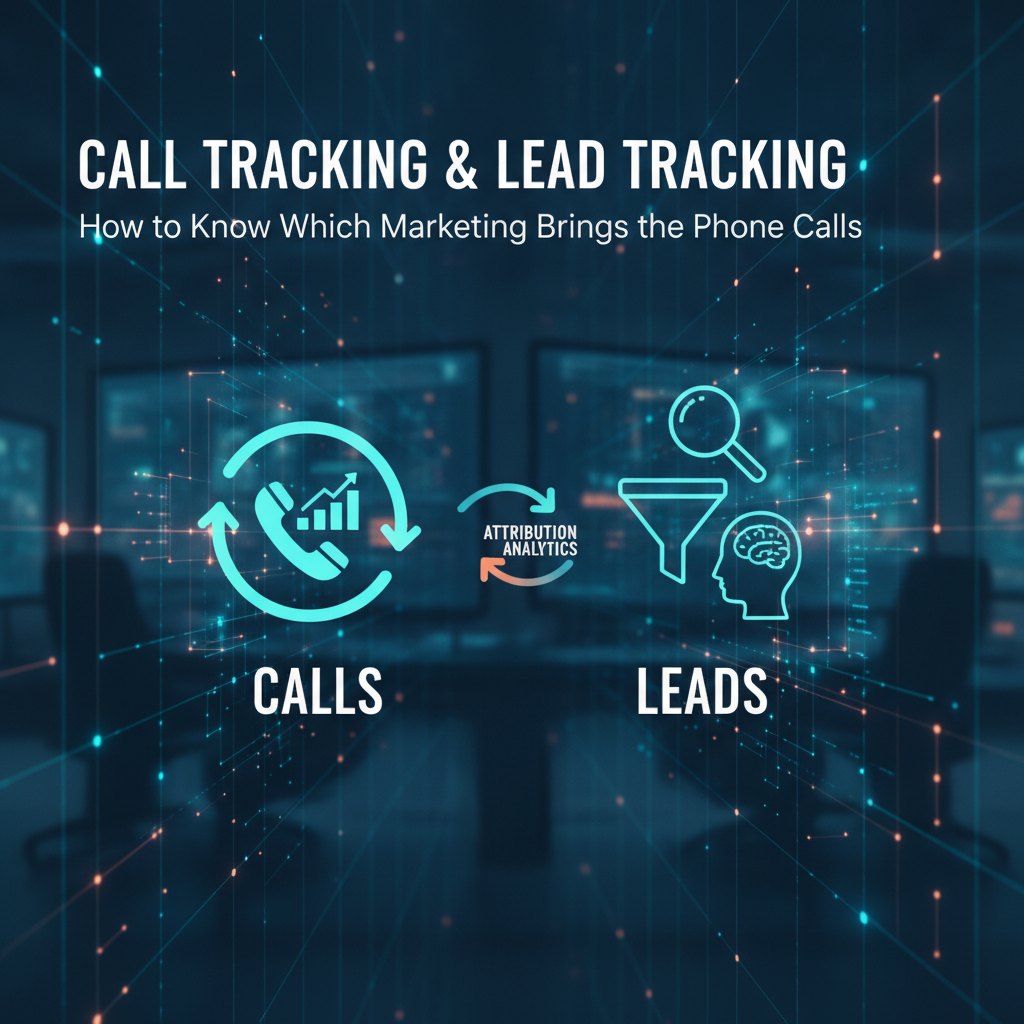
Call tracking is a specialized technology that attributes inbound phone calls to specific marketing campaigns, channels, keywords, or advertisements. By deploying dynamic number insertion (DNI) and dedicated tracking numbers, businesses can pinpoint precisely which advertising investments generate phone calls, enabling accurate marketing attribution and budget optimization.
For local service providers, professional enterprises, and commercial operations, high-intent prospects frequently prefer phone calls over online forms. Without phone call tracking, organizations operate with significant Blind spots in their marketing attribution data, often misallocating capital toward underperforming digital channels.
ℹ️ Info
Quick Summary: Call tracking bridges the gap between digital engagement and offline phone conversations. By assigning distinct phone numbers to specific advertising sources or utilizing Dynamic Number Insertion (DNI) on websites, businesses gain complete visibility into which marketing strategies generate phone calls, direct revenue, and measurable return on investment (ROI).
What is Call Tracking and How Does It Work?
Call tracking is an analytics solution that measures the volume, source, and outcome of inbound phone calls generated by marketing initiatives. It works by mapping unique telephone numbers to specific marketing assets, such as online display ads, print billboards, direct mailers, or digital search campaigns.
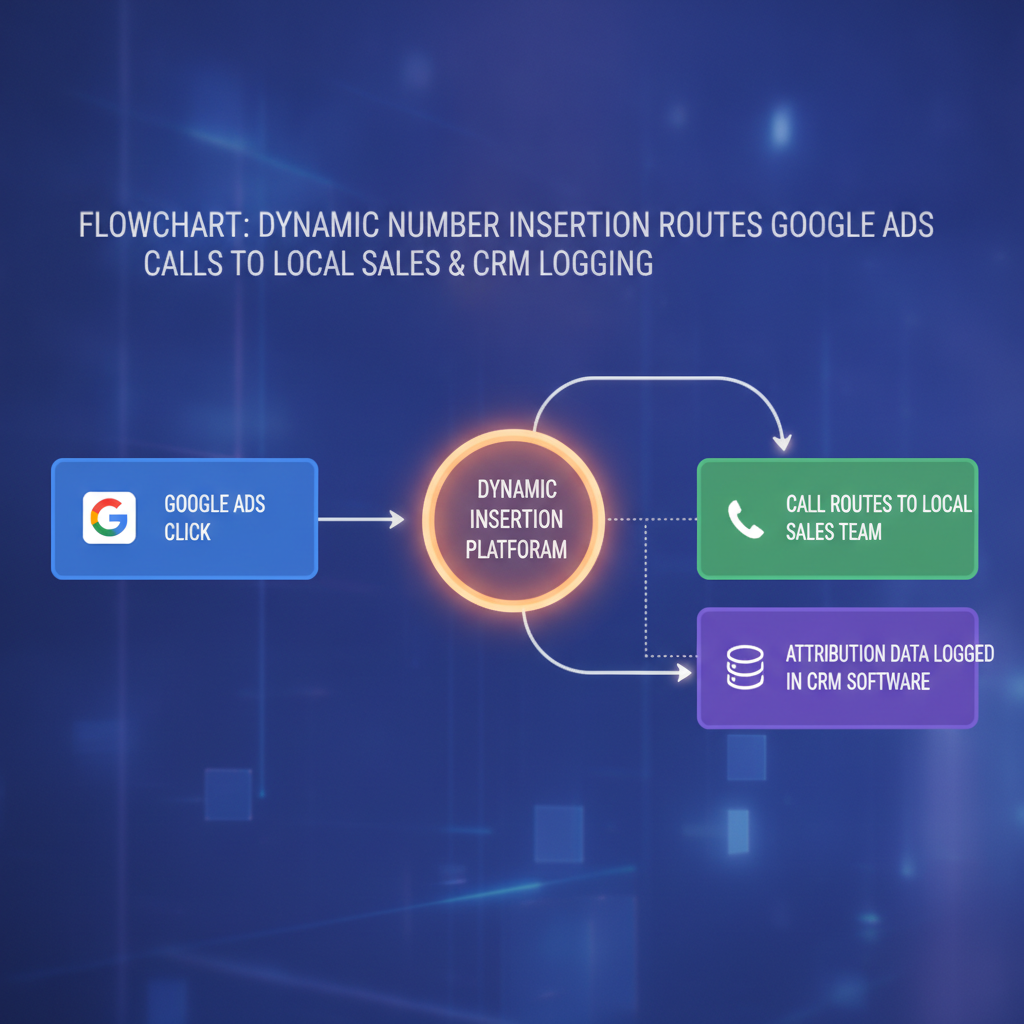
When a prospective client dials a designated tracking number, the call tracking software logs critical session metadata—such as the caller's location, the referring URL, the landing page, and the associated keyword—before seamlessly routing the call to the business's primary operational line.
```
+------------------+ +--------------------------+ +----------------------+
| Prospect Clicks | --> | Dynamic Number Insertion | --> | Call Tracking Engine |
| Paid Search Ad | | Replaces Phone Number | | Logs UTM & Call Data |
+------------------+ +--------------------------+ +----------------------+
|
v
+----------------------+
| Call Routed to Local |
| Business Phone Line |
+----------------------+
```
What is Dynamic Number Insertion (DNI)?
Dynamic Number Insertion (DNI) is a web technology that automatically replaces the static phone number on a website with a unique tracking number based on how the visitor arrived at the site. A lightweight JavaScript snippet installed on the website inspects the visitor's HTTP referrer headers, URL parameters (such as Google Ads `gclid` or standard UTM parameters), and session cookies.
Based on these parameters, DNI pulls an available phone number from a dedicated pool of tracking numbers assigned to the business.
Session-Level DNI: Assigns a unique tracking number to each individual website visitor session. This granular approach provides detailed multi-touch attribution, tying the phone call to the caller's specific user journey, including keyword queries, viewed pages, and duration on site.
Source-Level DNI: Assigns dedicated phone numbers to specific traffic channels (e.g., one permanent number for organic search visitors, another for Facebook Ads, and another for email campaigns). While cost-effective, source-level tracking does not capture individual keyword performance or user behavior.
How Does Call Tracking Differ from Traditional Lead Tracking?
Traditional digital lead tracking relies primarily on web analytics platforms like Google Analytics 4 to measure explicit online actions, such as form submissions, file downloads, or e-commerce checkouts. While effective for digital-only conversions, traditional analytics fail to record when a user leaves the browser environment to dial a business directly.
Phone call tracking fills this analytical gap by treating the phone call as a digital event. Call tracking software transmits offline call data back into web analytics engines and Customer Relationship Management (CRM) platforms via server-to-server APIs or webhook integrations. This ensures that offline phone conversions are credited to the exact digital campaigns that initiated them.
📈 Lead Conversion Rates by Channel in Service Industries
Why is Phone Call Tracking Essential for Local Business Marketing Attribution?
For local enterprises, inbound calls represent some of the highest-converting opportunities in the sales pipeline. Industry research consistently indicates that phone leads convert to revenue at significantly higher rates than digital form submissions due to the direct immediacy and urgency of the communication.
In competitive regional markets, such as Houston, where service businesses invest heavily in local search optimization and pay-per-click (PPC) advertising, failing to measure call attribution results in distorted ROI calculations.
"Organizations that implement dynamic call tracking typically discover that 40% to 60% of their total digital conversions were previously uncaptured phone interactions."
How Does Call Tracking Resolve Offline Conversion Blind Spots?
Offline conversion blind spots occur when digital advertising drives physical store visits or voice interactions that standard tracking scripts cannot log. Without phone call tracking software, an advertising manager might view a Google Ads campaign as unprofitable due to a low volume of online form submissions, completely unaware that the campaign generated dozens of lucrative phone inquiries.
By integrating phone call tracking into campaign management, businesses achieve true marketing attribution. Marketers can precisely evaluate:
- 1Cost Per Acquisition (CPA): Calculating the complete expenditure required to generate a phone lead versus a web lead.
- 2Keyword Efficiency: Identifying high-performing transactional keywords that drive direct phone calls versus informational keywords that only yield page views.
- 3Channel Profitability: Reallocating ad spend away from channels that produce low-quality web traffic toward channels that drive phone traffic.
What Metrics Should Businesses Monitor in Call Tracking Software?
Modern call tracking software provides extensive analytical data beyond simple call counts. To maximize campaign effectiveness, businesses should evaluate the following core metrics:
First-Time vs. Repeat Callers: Differentiates new business acquisition metrics from existing customers seeking support.
Call Duration: Serves as a primary signal for lead quality; longer conversations typically correlate with legitimate sales inquiries.
Interactive Voice Response (IVR) Routing Path: Identifies which menu choices prospective clients select, revealing operational demand.
Call Conversions by Keyword: Attributes completed telephone sales directly to specific bid strategies within search engine marketing platforms.
Missed Call Percentage: Highlights operational bottlenecks during peak hours, ensuring valuable prospective leads are not lost.
💡 Tip
Implementation Insight: Configure custom call-length thresholds in your tracking system (e.g., calls lasting longer than 120 seconds) to filter out automated telemarketing or misdialed numbers before sending conversion signals to Google Ads or Meta Ads algorithms.
How to Set Up Call Tracking Software for Your Business
Implementing robust phone call tracking requires systematic technical execution to guarantee data accuracy while maintaining website performance and local search engine optimization (SEO) integrity.
Step 1: Select the Right Call Tracking Software
Evaluate vendors based on infrastructure stability, integration capabilities, and pricing structure. Key selection criteria include:
Direct integrations with platforms like Google Ads, Google Analytics 4, Salesforce, and HubSpot.
Robust pool availability for local and toll-free numbers.
Native compliance features (such as HIPAA compliance for healthcare providers or PCI-DSS compliance for payment collection).
Advanced conversation intelligence, including automated transcription and AI keyword tagging.
Step 2: Implement Dynamic Number Insertion (DNI) on Your Website
To deploy dynamic tracking on your digital assets, place the vendor’s custom JavaScript tag within the head section of your website’s HTML or deploy it via Google Tag Manager.
```html
```
Once deployed, define the target phone numbers on your website that should be dynamically swapped. Ensure that target numbers are wrapped in standardized HTML classes or tags to allow the script to execute without visual layout shifts.
Step 3: Configure Marketing Attribution Rules and Integrations
To maximize utility, connect the call tracking infrastructure directly to your reporting and ad-management systems:
- 1Link to Google Ads: Authorize direct data transmission to Google Ads so offline call conversions can be ingested into automated bidding strategies (e.g., Target CPA or Target ROIS).
- 2Configure GA4 Custom Events: Send `phone_call` events to Google Analytics 4, mapping dimensions such as `call_source`, `call_duration`, and `qualification_status`.
- 3Establish CRM Webhooks: Automatically create or update contact records in your sales CRM whenever a unique phone number dials your business, mapping the original UTM source parameter to the lead file.
Step 4: Analyze Call Data and Optimize Campaigns
Consistently review call reporting dashboards to refine marketing allocation. Identify campaigns generating high call volumes but low conversion rates, evaluate transcriptions to uncover customer objections, and shift budget resources toward campaigns with proven phone conversion performance.
📉 Attribution Accuracy Post-DNI Implementation 2022-2025
What Are the Common Pitfalls in Call Tracking Implementation?
While call tracking software offers immense analytical advantages, improper technical execution can compromise business analytics and local search visibility.
How Can Businesses Prevent Call Tracking from Ruining Local NAP Consistency?
A primary concern for local businesses implementing call tracking is protecting Name, Address, and Phone (NAP) consistency, which is a foundational ranking signal for search engine local packs. If search engines crawl varying tracking numbers across digital directories, local search visibility can suffer.
To mitigate NAP degradation:
Use DNI Exclusively for On-Site Visitors: Never display dynamic tracking numbers to search engine crawlers. Ensure call tracking scripts execute client-side via JavaScript after the initial page rendering.
Maintain Static Numbers on Google Business Profile (GBP): Place your permanent primary business phone number in the main phone number field of your Google Business Profile. If utilizing a call tracking number on GBP, insert the tracking number in the primary slot and your actual static local business number in the secondary phone number slots. This preserves NAP verification while capturing call metrics.
"Maintaining your static business phone line as the secondary number within Google Business Profile preserves core local search indexing signals while allowing accurate campaign attribution."
How to Manage Spam Calls and Data Contamination?
Call tracking pools can occasionally receive spam calls or misdialed interactions from previous number assignees. If unaccounted for, spam calls distort campaign conversion data and waste sales capacity.
To protect data integrity:
Enable automated spam filtering within your call tracking software settings.
Implement a brief Interactive Voice Response (IVR) menu (e.g., "Press 1 to speak with a representative"), which effectively blocks automated robocalls from triggering conversion events.
Establish minimum call duration parameters before transmitting conversion signals back to ad platforms.
Key Takeaways: Mastering Phone Call Attribution
Call tracking bridges digital analytics and offline revenue, giving organizations clear insights into which marketing channels drive high-value phone inquiries.
Dynamic Number Insertion (DNI) enables precise keyword and session-level attribution without sacrificing overall user experience.
Proper technical configuration protects local SEO, ensuring that NAP consistency remains uncompromised across search engine directories and local listings.
Integrating call tracking with CRMs and ad platforms unlocks automated bid strategies based on real revenue, maximizing marketing ROI.
