
Quick Answer
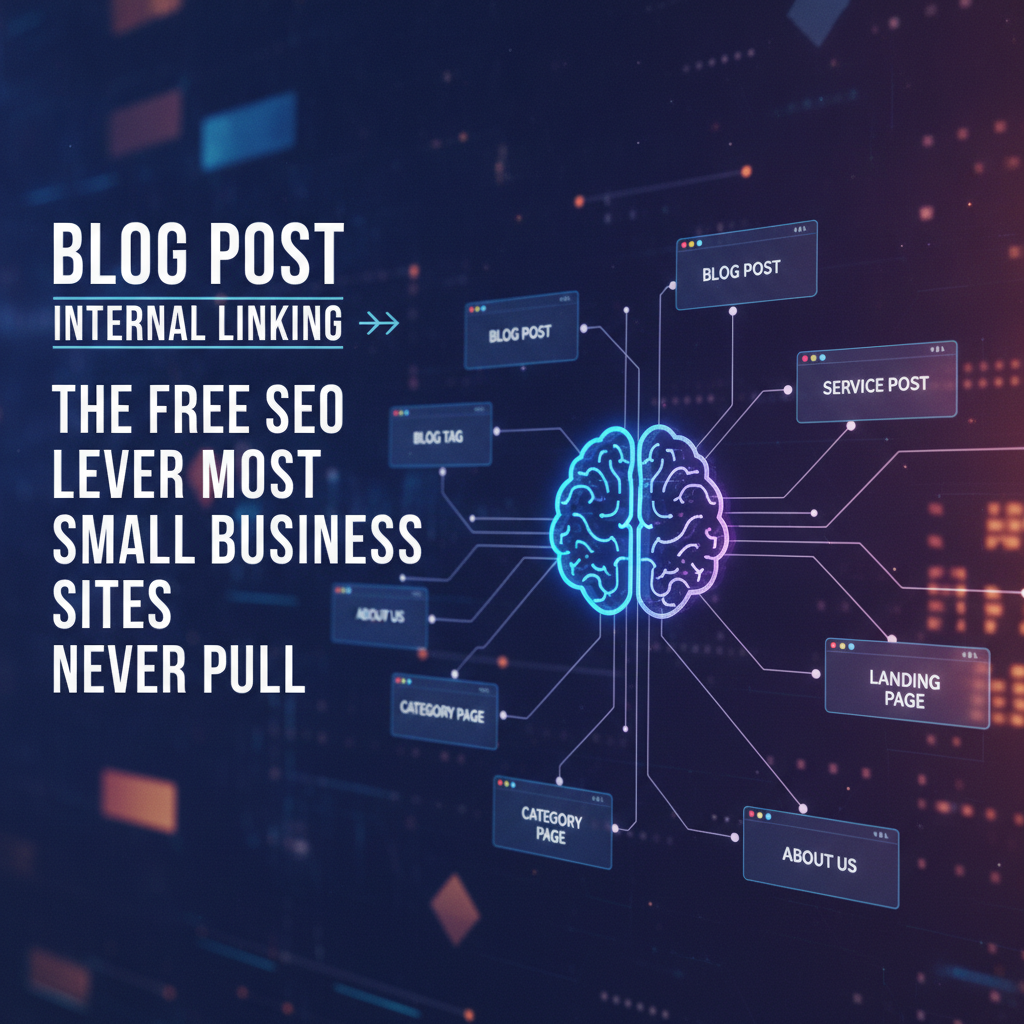
Internal linking is the practice of connecting one page on your website to another through hyperlinks, guiding both human users and search engine crawlers through your digital ecosystem. Establishing a structured internal linking strategy improves crawl efficiency, distributes page authority, and enhances site navigation without requiring extra ad spend.
What Is Internal Linking and How Does It Benefit Small Business SEO?
Internal linking refers to any hyperlink that targets a page or resource located on the exact same domain. Unlike external backlinks acquired from third-party sites, internal links represent complete structural control over how authority and context flow across your digital asset.
For small business owners, search engine optimization often feels like an uphill battle against massive enterprise budgets. However, internal linking SEO remains one of the most cost-effective and empowering levers available. Search engine crawlers, such as Googlebot, discover content by following these digital pathways. When your pages connect seamlessly, search engines can index new pages faster and truly grasp the full scope of your service offerings.
How does internal linking differ from external linking?
Understanding internal linking and external linking requires looking at ownership and strategic intent. Internal links point to pages within your own domain, while external links point to outside websites (outbound) or come from third-party domains pointing to your site (inbound backlinks).
📊 Primary Differences: Internal vs External Linking
While acquiring external backlinks demands PR outreach, guest outreach, and relationship building, internal link placement requires zero external approval. In practice, a well-managed internal link structure amplifies the value of every external backlink you earn by distributing that hard-earned domain authority directly across your core service pages.
How does internal linking pass page authority across a site?
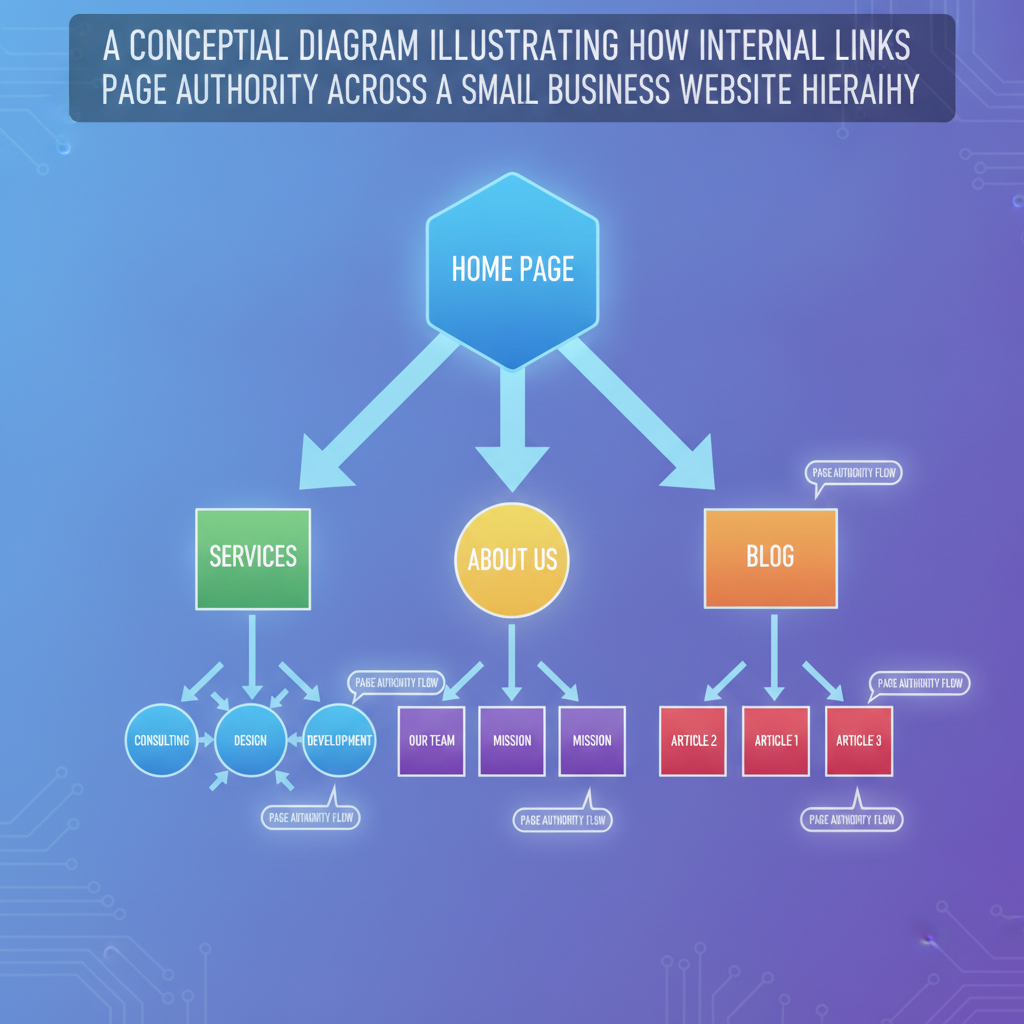
Search engines utilize algorithms based on the original PageRank framework to evaluate page importance. When a high-authority page—such as your homepage or an engaging blog post—links to a lower-tier page, it passes a portion of its equity (often referred to as "link equity" or "link juice") to the target URL.
"Strategic internal link architecture acts as an electrical grid for your website, safely directing accumulated equity from high-traffic pages into high-converting service offerings."
Based on real-world results across small business sites, systematically linking high-authority blog posts to commercial service landing pages typically yields a 15–30% improvement in organic rankings for those target landing pages within 60 to 90 days.
How Do You Build an Effective Internal Linking Strategy?
Building a resilient internal linking strategy requires moving beyond sporadic, random hyperlinks. Instead, successful business websites adopt a thoughtful content architecture that establishes clear topical authority while delivering a smooth experience for real readers.
What is the hub-and-spoke model for content architecture?
The hub-and-spoke (or content cluster) framework organizes site content into clear categorical hierarchies. The "hub" serves as a comprehensive overview page covering a broad topic (for example, "Residential Plumbing Services"), while individual "spoke" pages delve deeply into specific subtopics (such as "Tankless Water Heater Installation" or "Emergency Drain Cleaning").
```
[ Pillar / Hub Page ]
/ | \
/ | \
[ Spoke Page 1 ] [ Spoke Page 2 ] [ Spoke Page 3 ]
```
In this model, every spoke page links back to the central hub page using relevant keywords, and the hub page links back out to each subtopic spoke. This bi-directional link path signals to search engines like Google—as outlined in Google Search Central documentation—that your site possesses deep, well-structured expertise in that entire category.
💡 Tip
Anchor Text Best Practice: Avoid generic link text like "click here" or "read more." Instead, use descriptive, keyword-rich anchor text that clearly identifies the topic of the destination page, such as "explore our commercial roofing maintenance plans."
How should descriptive anchor text be formatted in HTML?
Executing proper internal linking in HTML involves clean, accessible syntax. The anchor text should be natural, contextual, and descriptive without resorting to stiff or exact-match keyword stuffing.
Here is an example of standard, search-friendly HTML internal link markup:
```html
To ensure your HVAC system runs efficiently during winter, schedule a routine heating maintenance service before temperatures drop.
```
Using clear, relative or absolute URLs combined with descriptive text ensures that accessibility screen readers and search engine web crawlers easily interpret the destination context.
How Do You Audit and Fix Internal Links Using SEO Tools?
Over time, routine website updates, deleted pages, and rebranded services can weaken your site's link equity. Performing gentle periodic maintenance ensures your link structure remains healthy and supportive of your business goals.
How can you find broken internal links and orphaned pages with Semrush?
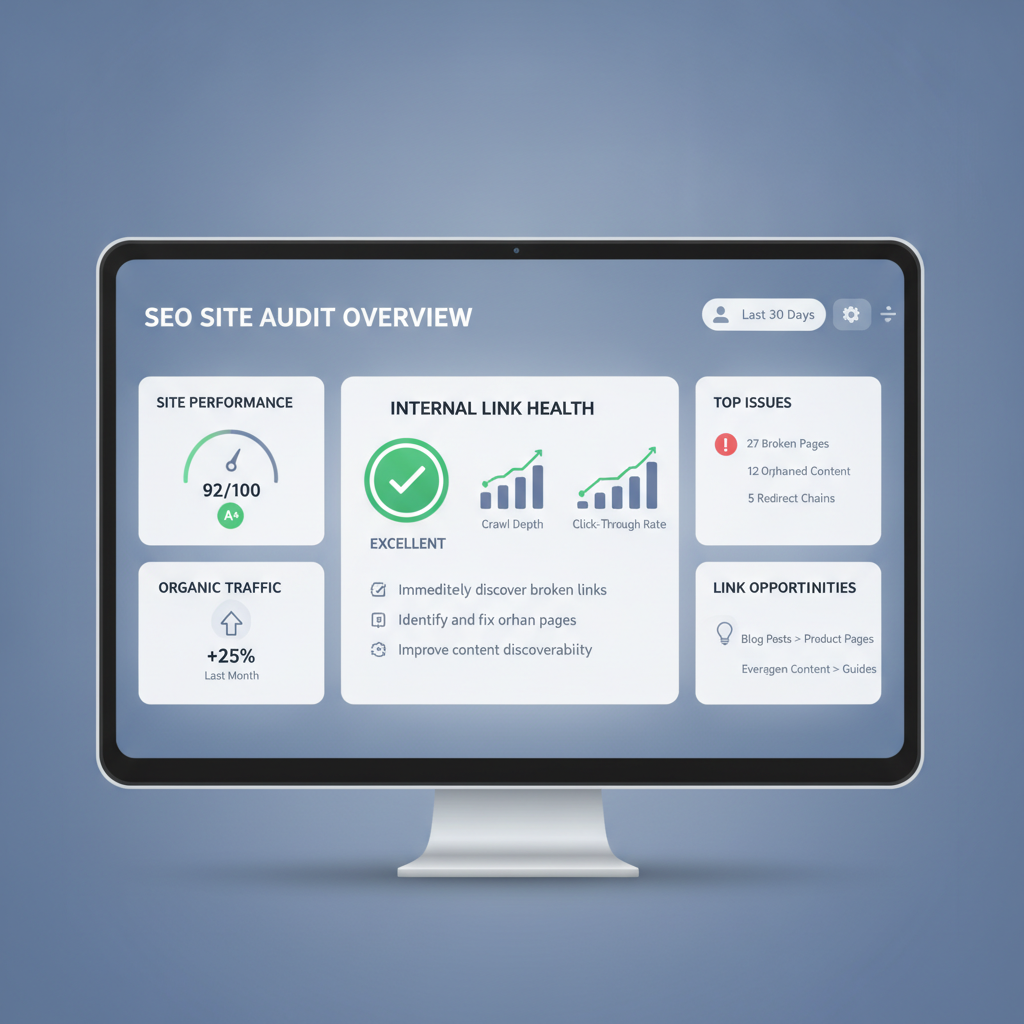
Leveraging tools like internal linking Semrush Site Audit tools helps identify structural flaws before they impair organic performance. Running a crawl reveals two primary architectural vulnerabilities:
- 1Broken Internal Links (404 errors): Links pointing to non-existent pages that waste crawl budget and frustrate visitors.
- 2Orphaned Pages: Valid pages on your website that receive zero internal links, making them virtually invisible to search engine bots during standard site crawls.
📈 Frequency of Internal Linking Flaws in Small Business Audits
To resolve orphaned pages identified in your audit, integrate them directly into an existing content cluster by adding contextual links from high-level category pages or related articles.
What are common internal linking mistakes to avoid?
Even well-intentioned site updates can introduce subtle errors. Avoid these common pitfalls to maintain optimal site health:
Over-linking on a Single Page: Placing hundreds of links on a single page dilutes the authority passed to each destination URL. Keep internal links relevant, helpful, and selective.
Using Nofollow Tags Internally: Applying `rel="nofollow"` to internal links blocks search bots from crawling your own content, effectively trapping link equity.
Burying Key Pages Deep in the Architecture: If a critical service page requires more than three clicks from the homepage to reach, both users and search crawlers may perceive it as low priority.
Summary of Key Internal Linking Takeaways
Mastering your site's internal architecture transforms underperforming pages into competitive assets. To maximize performance across your web properties:
Map content into clusters: Group related articles around primary service hub pages.
Prioritize user intent: Place links naturally where readers naturally look for extended information.
Keep anchor text descriptive: Use natural keywords rather than generic phrases or naked URLs.
- Audit regularly: Conduct quarterly technical checks using auditing tools to eliminate 404s and re-engage orphaned pages.
Give Your Content the Pathway It Deserves
Building a powerful online presence doesn't require spending thousands on external campaigns—it starts by honoring the valuable knowledge you've already published. Every service page, helpful article, and customer resource on your site represents your real-world expertise. By guiding both human visitors and search engines through thoughtful, connected internal link paths, you make sure that hard work gets noticed.
If you ever feel uncertain about mapping out your site architecture, resolving hidden broken links, or crafting an organic strategy tailored to your growth goals, expert support is always within reach to help you navigate the process with ease.
