
Quick Answer
Anchor text is the visible, clickable text within a hyperlink that provides essential contextual signals to both site visitors and search engines. Optimizing your website's anchor text helps search algorithms accurately index content, improving keyword relevancy, site architecture clarity, and overall search rankings across your digital presence.
When managing a digital presence, it is easy to feel overwhelmed by high-profile priorities like homepage redesigns, video assets, or major content launches. Yet, subtle structural details often exert the most consistent influence on your overall search performance. Among these quiet structural elements, hyperlinked text stands out as one of the most reliable tools for communicating contextual relevance and authority to both readers and search engines.
Understanding how to construct, audit, and refine your links allows you to build an intuitive site structure that effortlessly guides human visitors while helping search crawlers index your valuable content.
What Is Anchor Text and Why Does It Impact Search Rankings?
Anchor text is the clickable phrasing highlighted within a hyperlink, seamlessly connecting one web page to another. From a user experience standpoint, it gives readers an empathetic heads-up, letting them know exactly what information to expect before making a click. From a search engine perspective, it serves as a primary signal for subject matter classification and semantic understanding.
How Search Engines Interpret Hyperlink Text
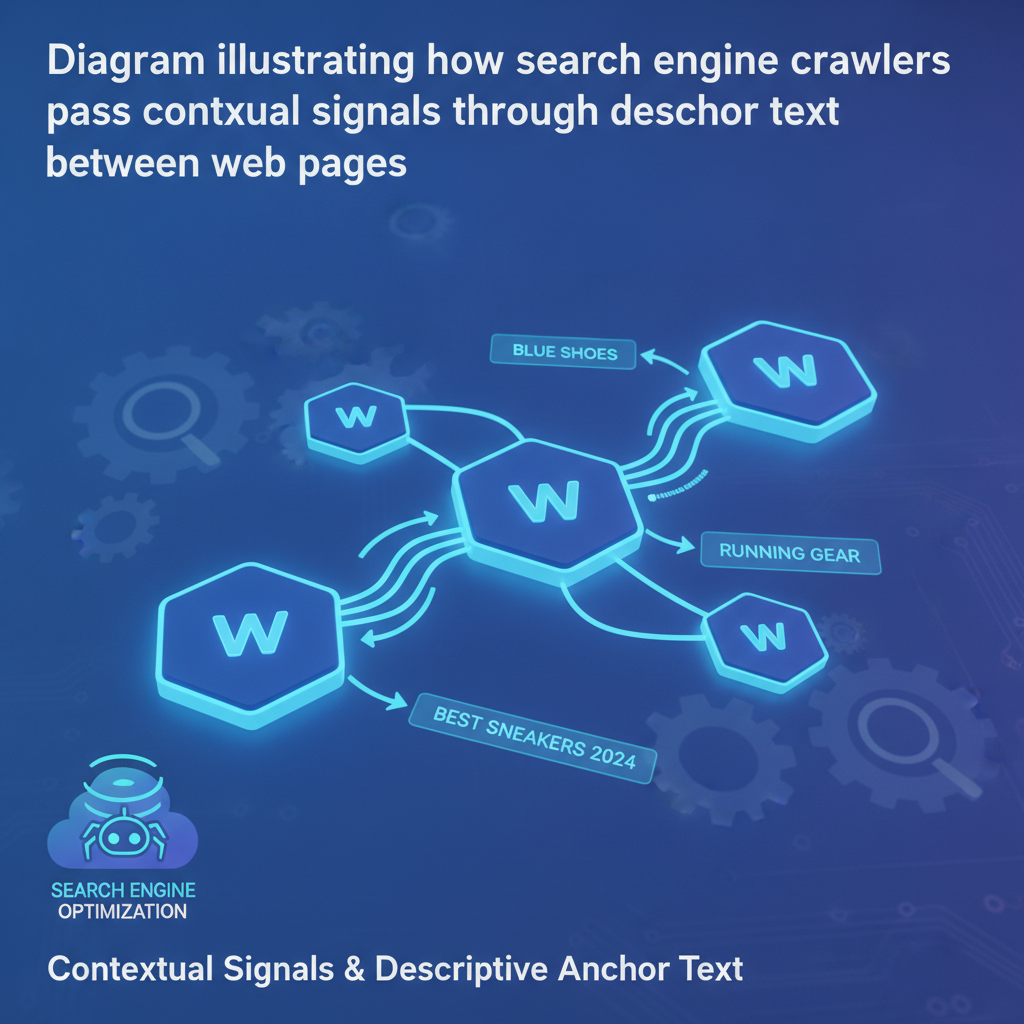
Search engines analyze anchor text to establish meaningful context for the destination URL. Rather than evaluating a web page in complete isolation, modern algorithms look at how other pages on the web—and across your own domain—describe that resource. For example, if multiple internal pages link to a specific URL using the phrase "commercial accounting software," search engines naturally infer that the target page is an authoritative resource on that specific topic.
"Search engine algorithms evaluate the descriptive text within links to build a semantic map of your website, making link text clarity directly proportional to indexing accuracy."
In practice, using descriptive, reader-focused phrasing yields significantly better indexing results than generic phrases like "click here" or "learn more." When you provide specific, context-rich wording, you make it far easier for site visitors to navigate and for web crawlers to map the thematic architecture of your domain.
The Core Types of Anchor Text Explained
A healthy, high-performing website uses a balanced mix of link types. Over-optimizing with a single rigid style can trigger search engine penalties, while under-optimizing leaves valuable relevance signals on the table.
Branded Anchors: Incorporates your official business or brand name (e.g., "Acme Solutions").
Exact-Match Anchors: Uses the exact target keyword of the destination page (e.g., "cloud data backup").
Partial-Match Anchors: Combines the target keyword with natural, conversational phrasing (e.g., "read our guide to cloud data backup").
Naked URLs: Displays the raw web address directly (e.g., "www.example.com").
Generic Anchors: Uses simple call-to-action language (e.g., "source," "website," or "read more").
🥧 Anchor Text Distribution Profile (Industry Benchmark)
Based on real-world results across high-performing domains, maintaining a heavy emphasis on branded and partial-match variations provides the optimal blend of topical relevance and natural, human-friendly presentation.
How Do Internal Link Checkers and Breadcrumb Navigation Improve Site Structure?
A well-organized site architecture relies on clear connections between related topics. Two essential components of maintaining this structure are automated auditing tools and structured navigational elements that respect the user's journey.
Utilizing an Internal Link Checker for Audits
As your website grows, tracking hundreds or thousands of hyperlinks manually becomes nearly impossible. Deploying an internal link checker allows you to continuously monitor your site's health and catch structural issues long before they frustrate a visitor or hinder your search visibility.
An automated audit typically identifies:
- 1 Broken Links (404 Errors): Hyperlinks pointing to non-existent pages, which interrupt the user experience and waste valuable crawl budget.
- 2 Orphan Pages: High-value content pages that receive zero internal links, making them difficult for users to discover and search engines to index.
- 3 Over-Optimized Phrases: Excessive repetition of identical exact-match key phrases across internal content.
- 4 Redirect Loops: Links pointing to URLs that redirect multiple times before loading, creating unnecessary delay for visitors.
📊 Site Performance Score by Audit Frequency
Establishing a routine auditing schedule typically yields a 15-30% improvement in crawl efficiency, ensuring search engine bots index updated content much faster while keeping your visitor experience smooth and reliable.
Enhancing Context with Breadcrumb Navigation
Implementing breadcrumb navigation provides a clean, text-based trail at the top of a web page, showing visitors exactly where they are within your site hierarchy (e.g., Home > Resources > Marketing > Article).
This visual and structural element offers significant user and optimization benefits:
Automated Contextual Anchors: Breadcrumbs automatically generate internal links using clear, hierarchical terms, helping search engines understand parent-child page relationships.
Reduced Bounce Rates: Visitors can easily backtrack to higher-level category pages if a landing page does not fully answer their immediate question.
Rich Snippet Potential: Search engines frequently display breadcrumb structures directly within search results, making your listings clearer and more inviting to searchers.
When Should You Use Nofollow Links vs. DoFollow Links?
Not all outbound links on your website should carry equal weight. Managing how authority flows through your digital ecosystem requires knowing when to pass ranking signals and when to protect your own domain authority.
Understanding Nofollow Links and Attribute Hints
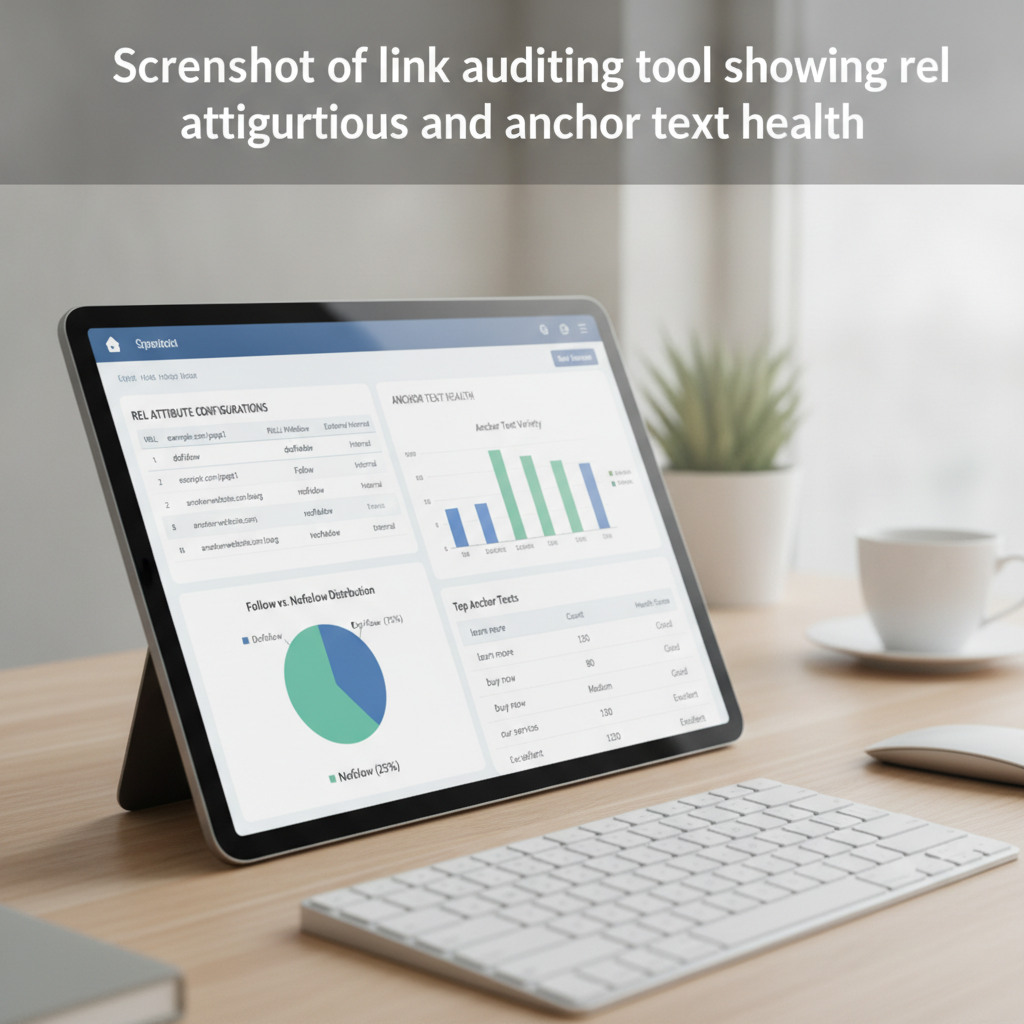
By default, standard hyperlinks (often referred to as "DoFollow" links) pass ranking signals, or link equity, to the destination URL. However, there are common situations where you want to reference an external web resource without explicitly endorsing it or transferring your site's search authority.
This is where nofollow links play a vital role. By adding `rel="nofollow"` to an anchor tag, you signal to search engines that the link should not influence the target page's ranking position.
According to guidelines from Google Search Central, search engine systems have expanded these attributes to include more specific contextual hints:
`rel="nofollow"`: Used for general links where you do not wish to pass endorsement or equity.
`rel="sponsored"`: Specifically designated for paid placements, advertisements, or affiliate link relationships.
`rel="ugc"`: Applied to user-generated content, such as forum posts or blog comment sections.
💡 Tip
Optimization Tip: Always apply `rel="sponsored"` or `rel="nofollow"` to paid links and advertisements. Failing to label sponsored outbound links properly can result in search engine penalties for both the linking site and the recipient.
Best Practices for Preserving Link Equity
A common scenario web managers encounter involves linking out to trusted partner sites, social profiles, or payment gateways. While linking to reputable external sources builds user confidence, unmanaged outbound links can gradually dilute your site's hard-earned authority.
To preserve link equity while maintaining a warm, helpful user experience:
Keep core navigation links internal and free of nofollow attributes.
Apply the `sponsored` attribute to all commercial partnerships, sponsored posts, or affiliate connections.
Use `ugc` attributes on user-submitted comment sections to discourage automated spam.
- Ensure internal link text remains descriptive, guiding readers to relevant, complementary articles on your own domain.
"Thoughtfully balancing dofollow signals with selective nofollow attributes ensures your site retains its hard-earned authority while serving as a helpful web resource."
Key Takeaways for Optimizing Anchor Text Across Your Website
Managing the subtle details of your link strategy creates a strong foundation for sustainable organic visibility and intuitive navigation. Here is a quick summary of practical steps you can take today:
- 1 Prioritize Descriptive Clarity: Choose natural, context-rich phrases over generic terms like "click here."
- 2 Maintain Variety: Aim for a balanced profile dominated by branded and partial-match phrases rather than repeating repetitive exact matches.
- 3 Run Regular Audits: Use an internal link checker monthly or quarterly to catch broken links and eliminate orphan pages.
- 4 Structure with Breadcrumbs: Implement breadcrumb navigation to reinforce site hierarchy for readers and search crawlers alike.
- 5 Use Attributes Wisely: Apply `rel="nofollow"` or `rel="sponsored"` attributes to paid links, user comments, and unverified external resources.
Giving Every Link on Your Site a Clear Purpose
Managing the structural nuances of site architecture can feel like a delicate balancing act, especially when balancing daily business operations with digital growth. You do not have to untangle complex internal link networks or audit thousands of web pages on your own. By taking a thoughtful, human-first approach to how your pages connect, you create a seamless journey for your visitors while making it effortless for search engines to recognize your site's true value.
If you would like a helping hand identifying broken links, restructuring your breadcrumbs, or refining your overall anchor text strategy, reach out to our team today. We are here to help you build a stronger, more connected, and highly visible online presence.
