
Quick Answer
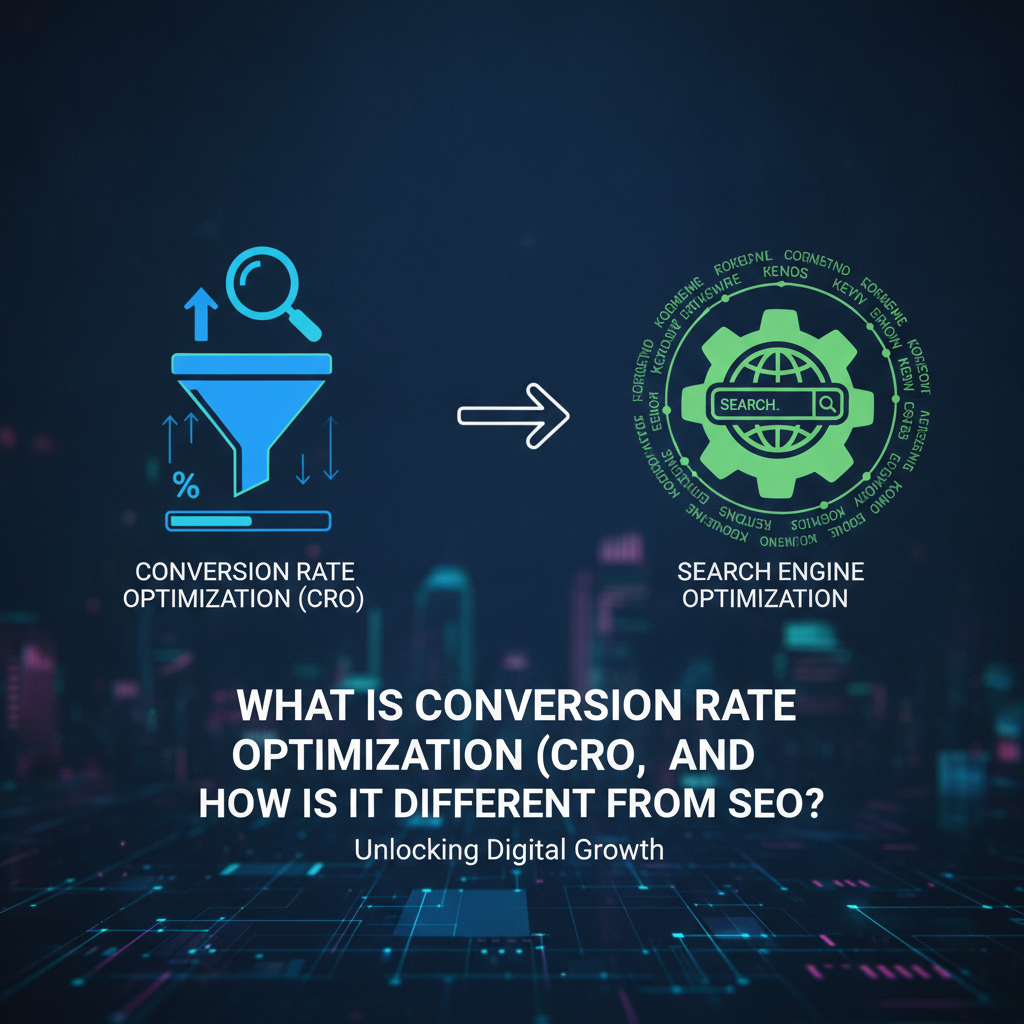
Conversion rate optimization (cro) is the systematic process of increasing the percentage of website visitors who take a desired action, such as purchasing a product or filling out a form. While search engine optimization (seo) focuses on driving traffic to your site, CRO focuses on making the most of the traffic you already have.
If you operate a website or digital store, you have likely asked yourself two fundamental questions: "How do I get more people to visit my site?" and "How do I get those visitors to actually buy something?"
These two questions represent the core distinction between search engine optimization (seo) and conversion rate optimization (cro). While both strategies aim to grow your digital presence and revenue, they approach the challenge from opposite ends of the customer journey.
What Is Conversion Rate Optimization (CRO)?
Conversion rate optimization (cro) is a data-driven process focused on understanding how visitors navigate your site, what actions they take, and what barriers prevent them from converting. Rather than spending more money to buy ads or build external links to drive new traffic, CRO aims to optimize conversion rate outcomes using your existing visitors.
A "conversion" happens whenever a visitor completes a goal on your website. Micro-conversions include actions like signing up for an email newsletter, downloading a whitepaper, or adding an item to a shopping cart. Macro-conversions are major business outcomes, such as completing a product purchase or requesting a sales consultation.
```
Conversion Rate = (Total Number of Conversions / Total Number of Visitors) x 100
```
For instance, if your online store receives 10,000 visitors per month and yields 200 completed purchases, your current conversion rate is 2.0%. Increasing that rate to 3.0% yields 300 purchases from the exact same volume of web traffic.
📊 Average E-Commerce Conversion Rates by Industry (2024 Benchmarks)
What are the main components of a CRO strategy?
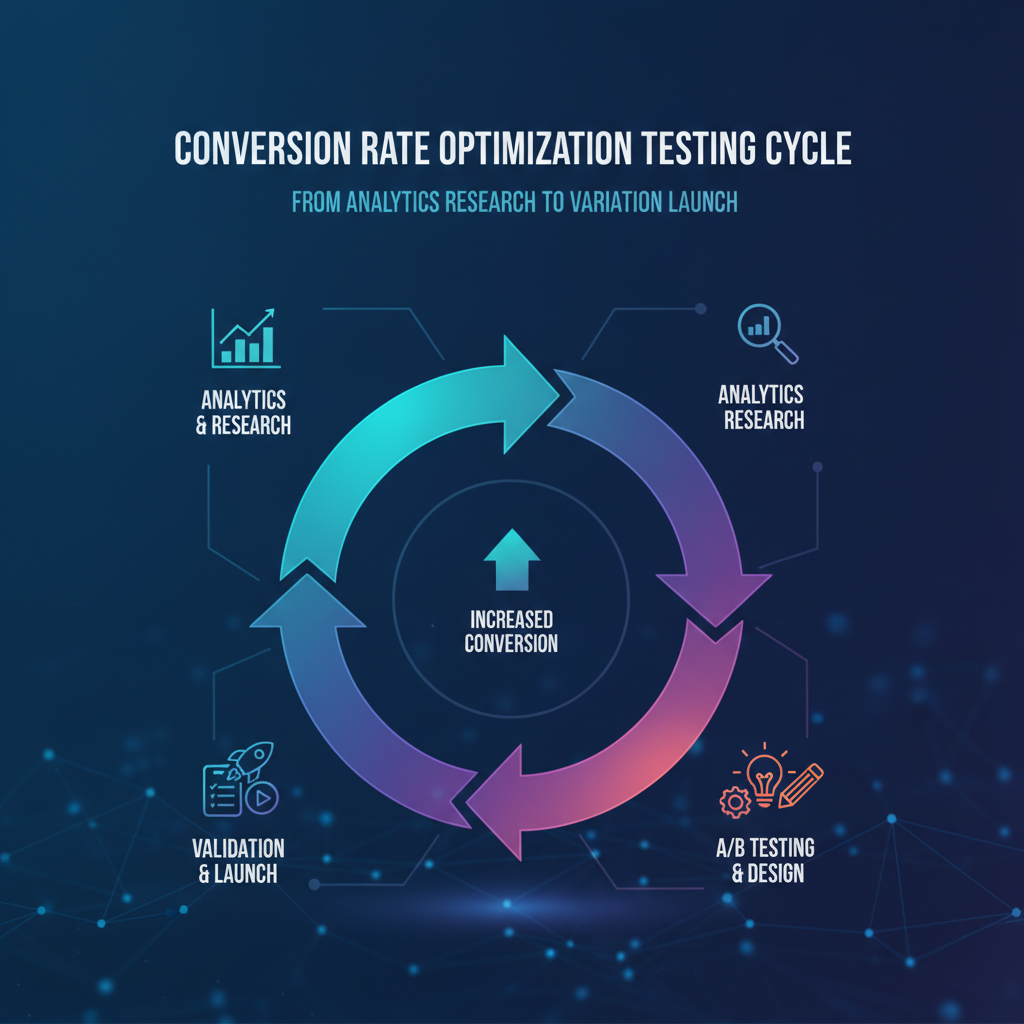
A successful CRO framework relies on qualitative and quantitative insights rather than design intuition or guesswork. The core components include:
Behavioral Analytics: Tracking user actions via event logs, heatmaps, click maps, and session recordings to identify where users drop off.
User Feedback: Gathering qualitative insights through on-site surveys, customer interviews, and usability testing to understand user friction.
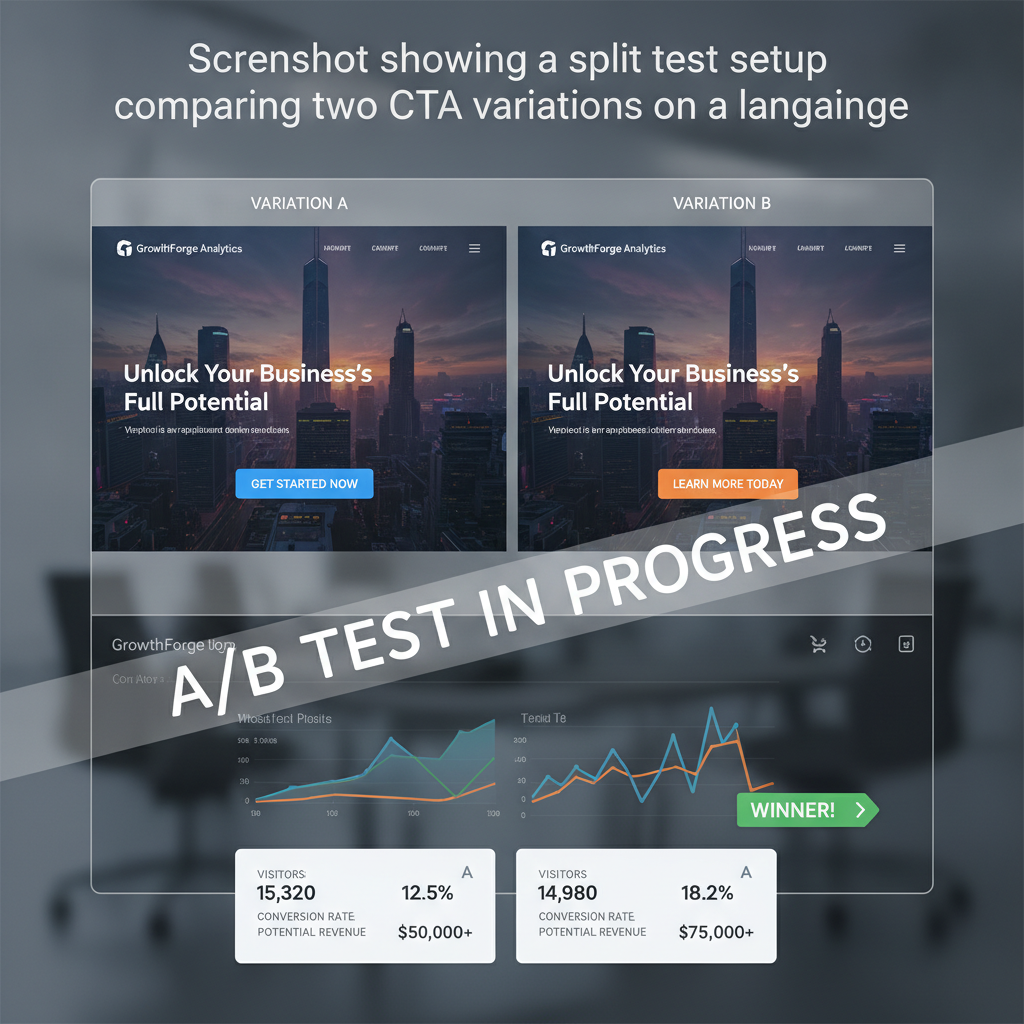
A/B and Multivariate Testing: Running controlled experiments comparing an existing web page (A) against a modified variation (B) to determine which design yields higher conversions.
User Experience (UX) & Design: Streamlining page layouts, navigation menus, and form fields to lower cognitive effort for the user.
Copywriting: Refining value propositions, call-to-action (CTA) text, and page headings to clearly communicate benefits.
CRO vs SEO: What Are the Main Differences?
The fundamental difference in the cro vs seo debate comes down to focus: search engine optimization targets search engine algorithms to gain visibility, whereas conversion rate optimization targets human psychology to drive user action.
SEO asks, "How do we help search engines understand and rank this page?"
CRO asks, "How do we help human visitors solve their problem and complete an action once they arrive?"
📈 Resource Allocation Impact: Traffic Generation vs On-Site Conversion
What are the core differences between SEO and CRO?
To understand how seo vs cro differences shape your marketing strategy, consider their technical focus, primary metrics, and overall goals side by side:
- 1 Target Audience: SEO optimizes content for search crawlers (like Googlebot) and user intent behind search queries. CRO optimizes layouts, messages, and elements exclusively for human visitors on the page.
- 2 Primary Key Performance Indicators (KPIs): SEO measures success using organic search impressions, keyword rankings, organic traffic volume, and backlink domain authority. CRO measures success using conversion rates, cost per acquisition (CPA), shopping cart abandonment rates, and average order value (AOV).
- 3 Primary Optimization Tactics: SEO focuses on technical crawlability, on-page keyword placement, link building, structural schema markup, and meeting Google Search Central performance standards. CRO focuses on clear value propositions, CTA button placement, form field reduction, visual hierarchy, and persuasive copywriting.
"SEO gets qualified traffic through your front door, but CRO makes sure visitors like what they see and take action before leaving."
How do SEO and CRO work together?
SEO and CRO are not competing disciplines; they are complementary halves of a full-funnel digital strategy. In practice, running SEO without CRO often leads to high traffic figures that fail to generate pipeline or sales. Conversely, running CRO without SEO means optimizing a conversion funnel that nobody sees.
When paired together, the synergies become clear:
Lower Bounce Rates: Improving page usability through CRO keeps visitors engaged longer, which signals to search engines that your content satisfies user intent.
Better Search Experience: Aligning page copy with the search intent behind target keywords ensures that visitors find what they expect, boosting immediate page engagement.
Improved Core Web Vitals: CRO site speed optimization directly supports Google's technical ranking signals, enhancing search visibility.
💡 Tip
Alignment Tip: Avoid optimizing web pages for conversions at the expense of search engine guidelines. Hiding essential page copy behind dropdown menus or adding aggressive pop-ups can harm your Core Web Vitals metrics, like Interaction to Next Paint (INP) or Largest Contentful Paint (LCP).
How Do You Implement a Conversion Rate Optimization Strategy?
Implementing a CRO process requires a methodical framework designed to remove friction from your conversion funnel. Here is how to approach optimization step-by-step.
Step 1: Gather data and identify friction points
Before changing layout elements or CTA text, review site data to identify where users leave your site. Use web analytics platforms to spot high-traffic pages with low conversion rates.
Next, deploy qualitative tools like scroll maps and session recordings. Look for common indicators of user confusion, such as "rage clicks" (repeatedly clicking an unclickable element) or drop-offs on multi-step forms.
Step 2: Formulate testable hypotheses
Base your changes on verified user data rather than personal preference. Frame every proposed change as a structured hypothesis:
"Because users drop off on step two of our checkout form, removing non-required fields will reduce friction and increase completed purchases by 10%."
Step 3: Test, analyze, and iterate
Use an A/B testing platform to split traffic evenly between your control page and the new variation. Allow tests to run until they reach statistical significance (typically at least a 95% confidence level over a full business cycle).
If the variation wins, implement the changes permanently across the site. If the original page wins, record the insights gained and build a new hypothesis to test next.
What Are Common Pitfalls When Balancing SEO and CRO?
Marketing teams often run into challenges when trying to optimize for both search engines and human users simultaneously. Here are a few common mistakes to avoid:
Keyword Stuffing vs. Readability: Adding extra keywords to satisfy SEO can make headings sound unnatural, which lowers credibility and reduces conversion rates.
Aggressive Pop-ups: Oversaturating pages with lead-capture modals or flash sales can drive quick sign-ups, but it degrades user experience and hurts mobile search performance.
Cloaking and Dynamic Content Risks: Showing different content to search engines than what human users see violates search guidelines and can result in ranking penalties.
"Designing exclusively for search crawlers leads to high traffic and empty shopping carts. Designing exclusively for conversions without organic visibility leads to a great store that nobody visits."
Key Takeaways: SEO vs CRO
SEO drives traffic: Search engine optimization attracts high-intent visitors to your site using organic search visibility.
CRO drives revenue: Conversion rate optimization converts existing traffic into paying customers or leads by streamlining user experience.
Complementary roles: SEO and CRO work best together; SEO fills the top of your marketing funnel, while CRO seals leaks in the bottom.
Data over opinion: Successful conversion optimization relies on user behavior analytics, heatmaps, and controlled A/B testing—not design trends or guesses.
