
Quick Answer
An abandoned cart email is an automated message sent to customers who add items to their online shopping cart but leave without completing a purchase. To reduce cart abandonment, e-commerce businesses deploy targeted 3-part email sequences that remind buyers of forgotten items, address purchasing hesitation, and offer timely incentives, typically recovering 10% to 15% of lost revenue.
Understanding why shoppers step away from their digital carts is the first step toward building a more supportive, effective online store experience. Every uncompleted purchase represents a customer who showed genuine interest in your products. By reaching out with thoughtful, timely communication, you can answer their remaining questions, clear away buying obstacles, and guide them back to complete their order.
What causes high cart abandonment rates in e-commerce?
High cart abandonment rates typically stem from unexpected costs, friction during the checkout flow, or simple buyer hesitation. According to research compiled by the Baymard Institute, the average digital cart abandonment rate sits near 70% across retail sectors. Identifying where shoppers experience difficulty allows store owners to address structural obstacles while crafting targeted follow-up communication.
Unexpected shipping costs and hidden fees
Surprise expenses introduced late in the checkout journey are the single largest driver of abandoned orders. When buyers encounter unexpected shipping charges, taxes, or service fees at the final payment screen, trust decreases and cart exit rates rise sharply. Offering upfront fee transparency or free shipping thresholds early in the browsing experience helps mitigate this friction before buyers leave.
Complex checkout workflows and mandatory registration
Requiring customers to create a permanent user account before completing a purchase creates unnecessary friction. Modern consumers expect swift, seamless transactions. Forcing multi-step form fills or failing to offer guest checkout options causes time-sensitive shoppers to abandon their selection. Streamlining payment steps directly increases baseline conversion rates.
🥧 Primary Reasons for Online Cart Abandonment (Baymard Institute)
How do you build an effective abandoned cart email sequence?
Building an effective abandoned cart email sequence requires sending a series of two to three automated messages timed strategically over a 72-hour window. Rather than treating cart recovery as a single sales pitch, a structured sequence provides helpful reminders, answers common product questions, and offers gentle encouragement to complete the purchase.
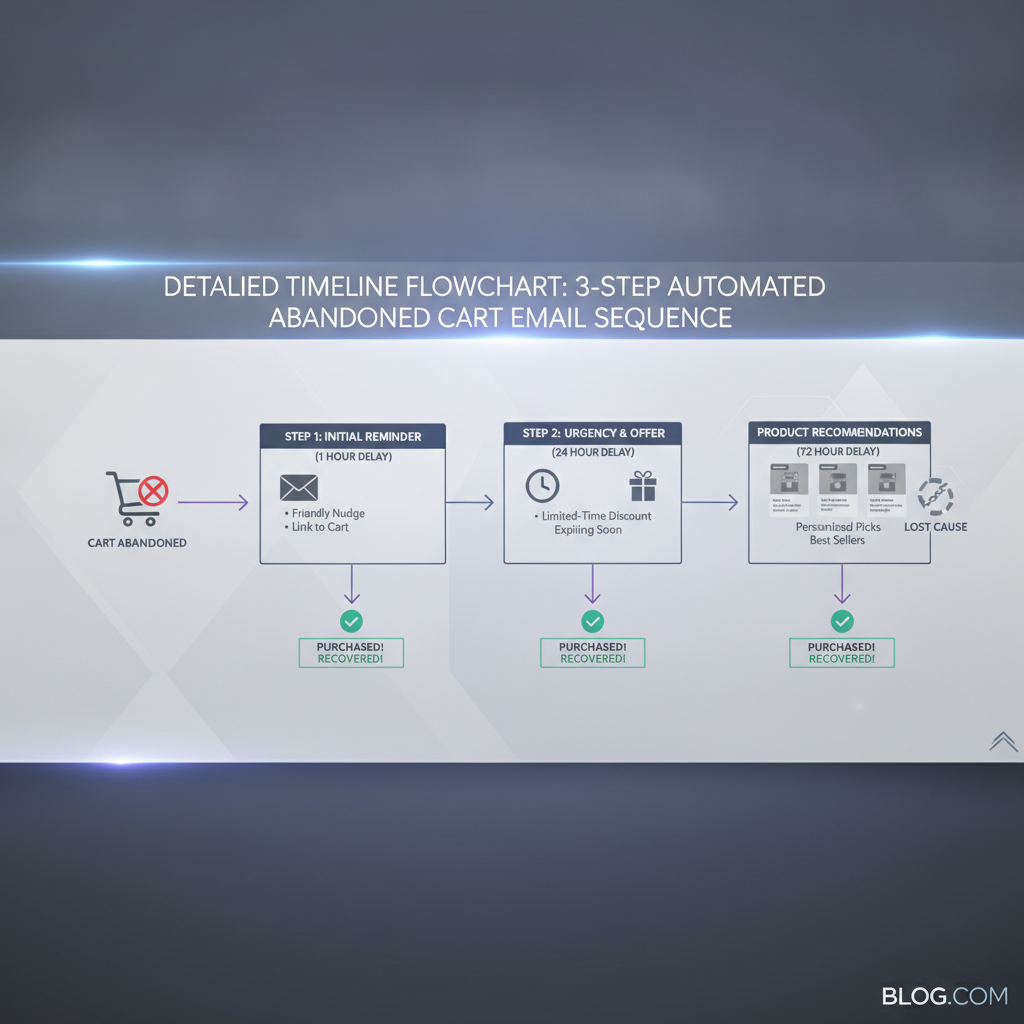
Email 1: The friendly reminder (Sent 1 hour post-abandonment)
The initial message should serve as a helpful customer service check-in rather than a hard sales push. Sent within one hour while your brand remains fresh in the buyer's mind, this message highlights the items left behind and asks if technical difficulties prevented checkout completion.
Email 2: Social proof and value reassurance (Sent 24 hours post-abandonment)
If the customer does not return after the initial reminder, the second email shifts focus toward building trust and validating their interest. Incorporating star ratings, customer reviews, clear return policy details, or answers to frequently asked questions helps remove hesitation regarding product quality or fit.
Email 3: The limited-time incentive (Sent 48–72 hours post-abandonment)
The final message in your automated sequence creates a moderate sense of urgency to finalize the purchase decision. Offering a modest incentive—such as free shipping, a small percentage discount, or a complimentary gift—gives undecided shoppers a tangible reason to take action before cart contents expire.
ℹ️ Info
Pro Tip on Cart Synchronization: Ensure your email provider automatically syncs with your e-commerce platform so that cart links pre-fill the customer's selected items and applied discounts upon clicking. Reducing steps during checkout increases recovery conversions by up to 22%.
What cart recovery strategies deliver the highest conversion rates?
The cart recovery strategies delivering the highest conversion rates combine hyper-personalized content, dynamic product displays, and mobile-optimized purchasing links. Transitioning from generic batch messaging to responsive behavioral triggers substantially increases engagement and overall return on investment.
Personalization and dynamic product rendering
Generic email reminders frequently get overlooked in crowded inboxes. Incorporating dynamic content blocks that automatically display the exact items left in the cart—alongside matching color variants, sizes, and recommended complementary accessories—creates a visual connection that reignites purchase intent.
One-click direct checkout and mobile responsiveness
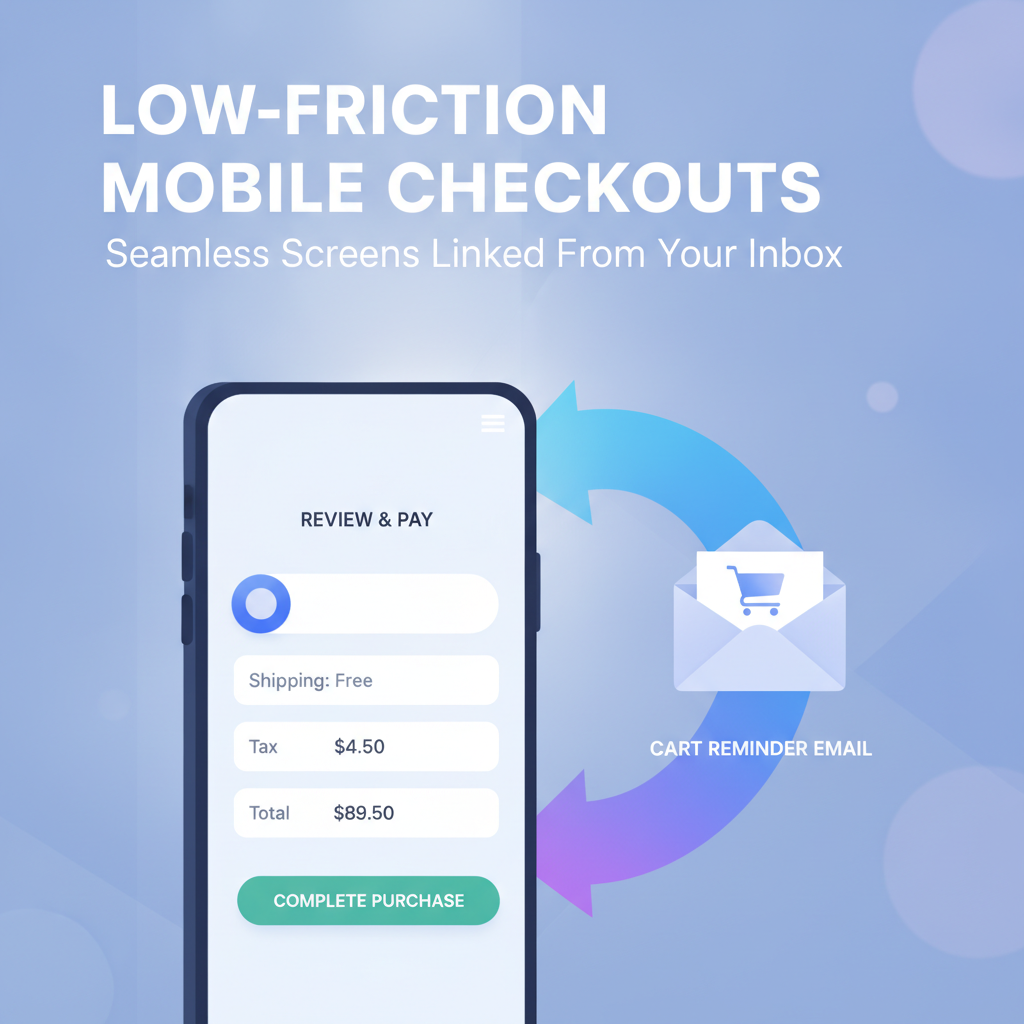
Because over half of all digital commerce occurs on mobile devices, online cart reminders must offer an effortless mobile experience. Directing recipients straight back to a pre-populated cart via a single CTA button eliminates extra navigation steps, making payment completion fast and straightforward.
📈 Conversion Rate by Cart Recovery Tactic (2024 Industry Averages)
"Implementing a multi-touch online cart reminder sequence allows retailers to address customer hesitation thoughtfully, converting up to 15% of previously lost traffic into completed sales."
How can businesses avoid common pitfalls in online cart reminders?
Businesses can avoid common cart reminder pitfalls by guarding profit margins against over-discounting, honoring recipient communication preferences, and protecting sender domain reputation. Maintaining high standards for timing and list hygiene ensures your messages remain effective without overwhelming your audience.
Preventing margin erosion from discount reliance
Conditioning shoppers to expect discounts every time they abandon a shopping cart undermines your pricing integrity. Reserve monetary incentives for late-stage emails, high-value carts, or first-time site visitors. For returning buyers, highlight non-monetary value additions like expedited fulfillment or dedicated customer care instead.
Managing messaging frequency and email deliverability
Sending too many messages within a short window risks frustrating shoppers and placing your domain on spam blacklists. Limit recovery workflows to a maximum of three total touchpoints across all channels (including email and SMS), and automatically suppress recipients the moment they complete their order.
Key Takeaways for Effective Cart Recovery
- Act Swiftly: Send your initial abandoned cart email within 60 minutes of session exit to capture peak purchase intent.
- Focus on Service First: Frame early messaging around helpful support rather than aggressive promotional pitches.
- Showcase Product Proof: Leverage real customer ratings and clear return policies in secondary messages to resolve purchase hesitation.
- Streamline the Path Back: Utilize direct checkout links and mobile-friendly layouts to minimize payment friction.
Closing the Distance Between Browsing and Buying
Behind every abandoned shopping cart is a real person who saw value in your brand, but hit a momentary pause. Recovering those orders isn't about pushing hard sales—it's about understanding their needs, clearing away doubt, and offering a seamless way back to complete their journey.
Whether you are looking to design high-converting email sequences, integrate personalized product recommendations, or optimize your checkout flow for effortless mobile purchasing, tailored guidance makes all the difference. Reach out to our e-commerce strategists today to start converting lost clicks into lasting customer relationships.
