
Quick Answer
Choosing the right keyword research tool for small business seo requires balancing comprehensive data features with predictable monthly costs. Most growing companies achieve significant organic growth using an affordable keyword tool priced between $0 and $49 per month, which effectively surfaces actionable long tail keywords without requiring high enterprise software commitments.
Finding the right digital tools to grow your business online can feel overwhelming, especially when managing tight marketing budgets. Search engine optimization remains one of the most reliable strategies for attracting qualified customers, but software pricing often presents a steep hurdle. Many business owners wonder if high-priced enterprise software is necessary to achieve strong organic search rankings.
The short answer is no. Modern software solutions make budget keyword research accessible, providing small businesses with precise data on search volume, competition, and user intent without high monthly costs.
What makes an affordable keyword research tool effective for small businesses?
An effective affordable keyword tool must deliver accurate search volume estimates, reliable keyword difficulty metrics, and clear intent signals without cluttering the interface with unnecessary enterprise features. Small businesses generally need focused insights that translate directly into actionable content creation and local search visibility.
In practice, a growing business rarely requires complex API access or multi-user seat management. Instead, the priority lies in identifying attainable search terms where smaller domains can realistically compete against established industry players.

How does balancing search volume and keyword difficulty drive results?
Targeting keywords with the highest search volume is rarely the best strategy for newer or smaller websites. High search volume almost always corresponds with high competition, represented by a high keyword difficulty score.
A practical strategy focuses on finding the sweet spot: search terms with modest, consistent monthly search volume (typically 100 to 1,000 monthly searches) and lower keyword difficulty scores (under 30 on a 100-point scale).
"Focusing on low-competition terms allows small business websites to build domain authority and generate qualified leads much faster than competing directly for broad enterprise terms."
Why should small businesses prioritize long tail keywords?
Long tail keywords are highly specific search phrases that usually contain three or more words. While individual long tail terms carry lower search volumes, they collectively account for the vast majority of web searches and represent buyers who are much closer to making a purchase decision.
Higher Conversion Rates: A user searching for "best organic coffee beans for cold brew" shows much clearer purchasing intent than someone simply searching "coffee."
Lower Competition: Smaller competitors frequently overlook niche phrases, making it easier for targeted content to reach the top of search results.
Clearer Content Structure: Specific phrases provide a direct roadmap for addressing exact customer questions and pain points.
How do top budget keyword research tools compare on features and cost?
Budget keyword research tools range from completely free platforms like Google Keyword Planner to low-cost specialized software like Ubersuggest, Keysearch, and SE Ranking, which offer essential tracking at a fraction of traditional enterprise costs. Comparing these tools helps identify which platform matches your specific technical comfort level and growth stage.
📈 Monthly Cost Comparison of Popular SEO Tool Categories
Which free keyword research tools provide enterprise-grade insights?
Several free keyword research tools deliver high-value data suitable for foundational small business seo strategies:
- 1 Google Keyword Planner: Originally built for advertisers, this platform provides direct access to Google’s historical search volume data and competitive metrics.
- 2 Google Search Console: Provides first-party data showing the exact queries currently bringing visitors to your existing website pages.
- 3 AnswerThePublic: Maps out search query variations framed as questions, providing an ideal resource for blog content planning and customer FAQ pages.
What paid, low cost seo tools offer the highest return on investment?
When transitioning from free options to dedicated paid software, cost efficiency is essential. Platforms priced between $15 and $49 per month offer robust functionality—including rank tracking, backlink monitoring, and competitive analysis—without enterprise price tags.
📊 Feature Utility Rating for Budget SEO Software (2024 Benchmark)
💡 Tip
Prioritize tools that offer flexible month-to-month subscription options or free trial periods. Testing a platform with your actual business keywords ensures the data quality and interface match your workflow before committing annually.
How can a small business implement budget keyword research effectively?
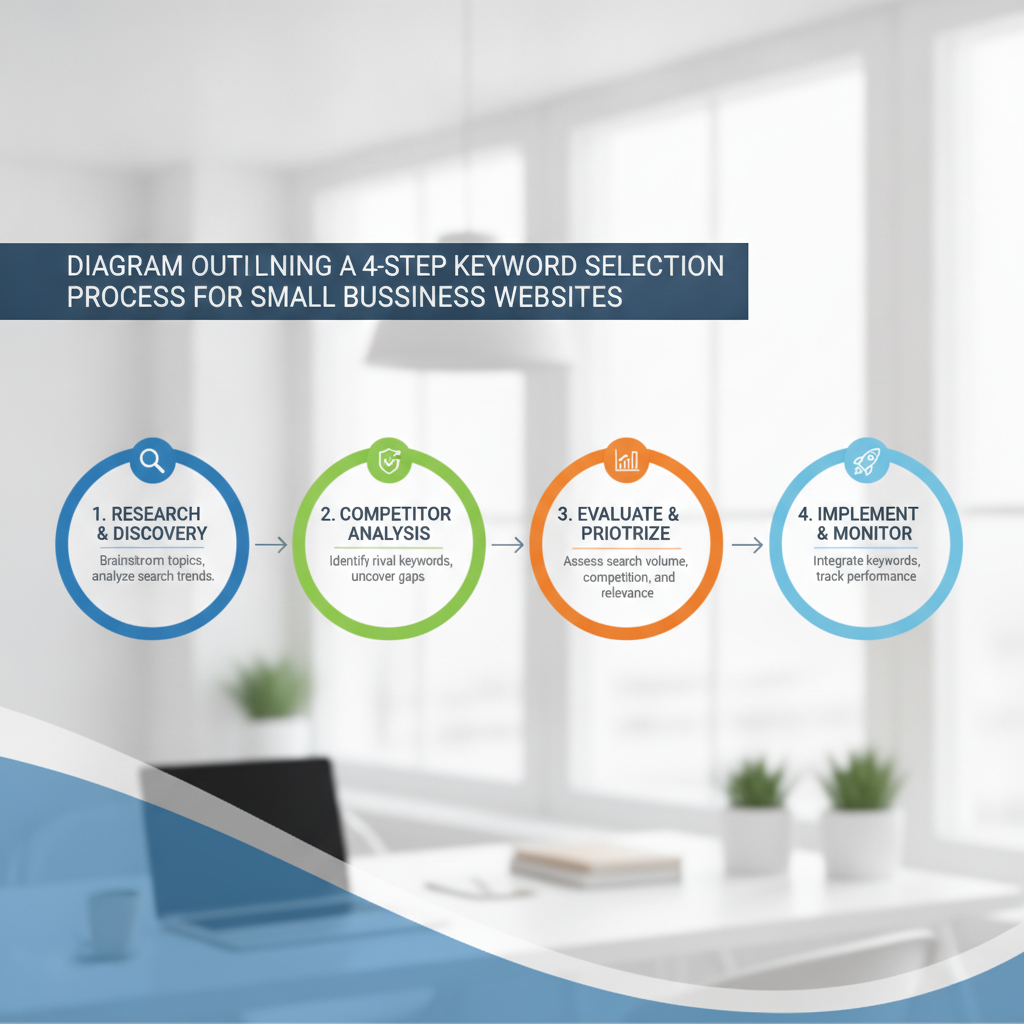
Implementing a budget keyword strategy involves defining target customer topics, using budget tools to uncover long tail phrases, evaluating keyword difficulty, and organizing discovered terms into dedicated content themes. This structured workflow maximizes marketing efficiency while preventing wasted spending.
What step-by-step workflow optimizes keyword selection without overspending?
Building an effective keyword strategy requires systematic execution rather than guesswork:
- 1 Identify Core Topics: List 5 to 10 foundational topics that directly describe your products, services, or regional service areas.
- 2 Expand into Long Tail Variations: Input seed topics into a low cost seo tool to generate 20 to 30 long tail phrase variations per core topic.
- 3 Filter by Feasibility: Eliminate keywords with difficulty scores exceeding your site's current authority level. Target terms where top-ranking pages have modest backlink profiles.
- 4 Map Intent to Page Types: Assign transactional terms (e.g., "hire plumber in Austin") to service pages, and educational terms (e.g., "how to fix a leaking pipe") to blog articles.
"Consistency in published content focused on low-difficulty terms yields compounding organic growth over a 6 to 12 month timeframe."
What common keyword research pitfalls drain small business marketing budgets?
Avoiding common mistakes ensures your limited time and marketing dollars generate tangible returns:
Ignoring Local Search Intent: Failing to include geographical identifiers when offering regional services leads to competing for national audience traffic that cannot convert.
Chasing Search Volume Alone: Selecting keywords purely based on high monthly search volume without assessing ranking difficulty wastes resources on terms that may take years to rank for.
Overlooking Search Intent: Creating blog content for terms where Google displays transactional shopping results creates a mismatch between user expectation and your content format.
By matching your software choices to your team's size, technical capacity, and immediate growth targets, your business can build a competitive search engine presence while maintaining financial discipline.
