
Quick Answer
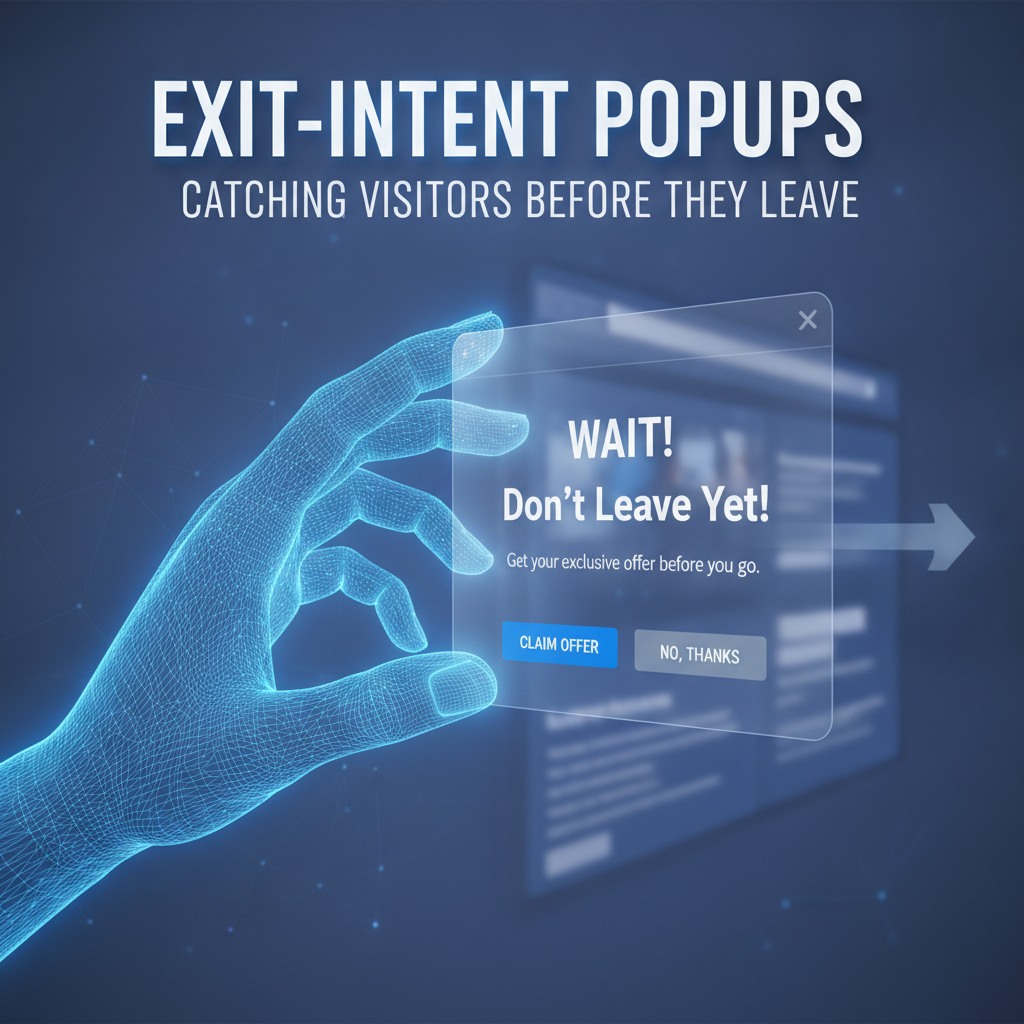
An exit intent popup is an automated website overlay designed to capture a user's attention right as their cursor moves to close or navigate away from a webpage. By offering targeted incentives, secondary resources, or special discounts at this precise moment, businesses can effectively reduce bounce rate and convert departing visitors into qualified leads or sales.
Losing website visitors right before they complete an action is a common, frustrating challenge for website owners and digital marketers alike. Behind every bounce is a real person searching for solutions, and industry data indicates that over 70% of visitors who leave a website will never return unless presented with a compelling, thoughtful reason to re-engage. An exit intent popup serves as an approachable, high-impact safety net—a gentle hand extended at the last moment to offer your audience genuine value before they close the tab. When implemented thoughtfully and empathetically, this technology transforms fleeting traffic into lasting, meaningful customer relationships.
What is an Exit-Intent Popup and How Does It Work?
An exit intent popup is a dynamic messaging tool that monitors user behavior and triggers a tailored modal window when a visitor shows distinct signals of leaving the webpage.
By delivering a targeted, helpful message at the exact moment of departure, businesses can re-engage users without interrupting their initial browsing experience.
How Does Exit-Intent Technology Detect When Users Leave?
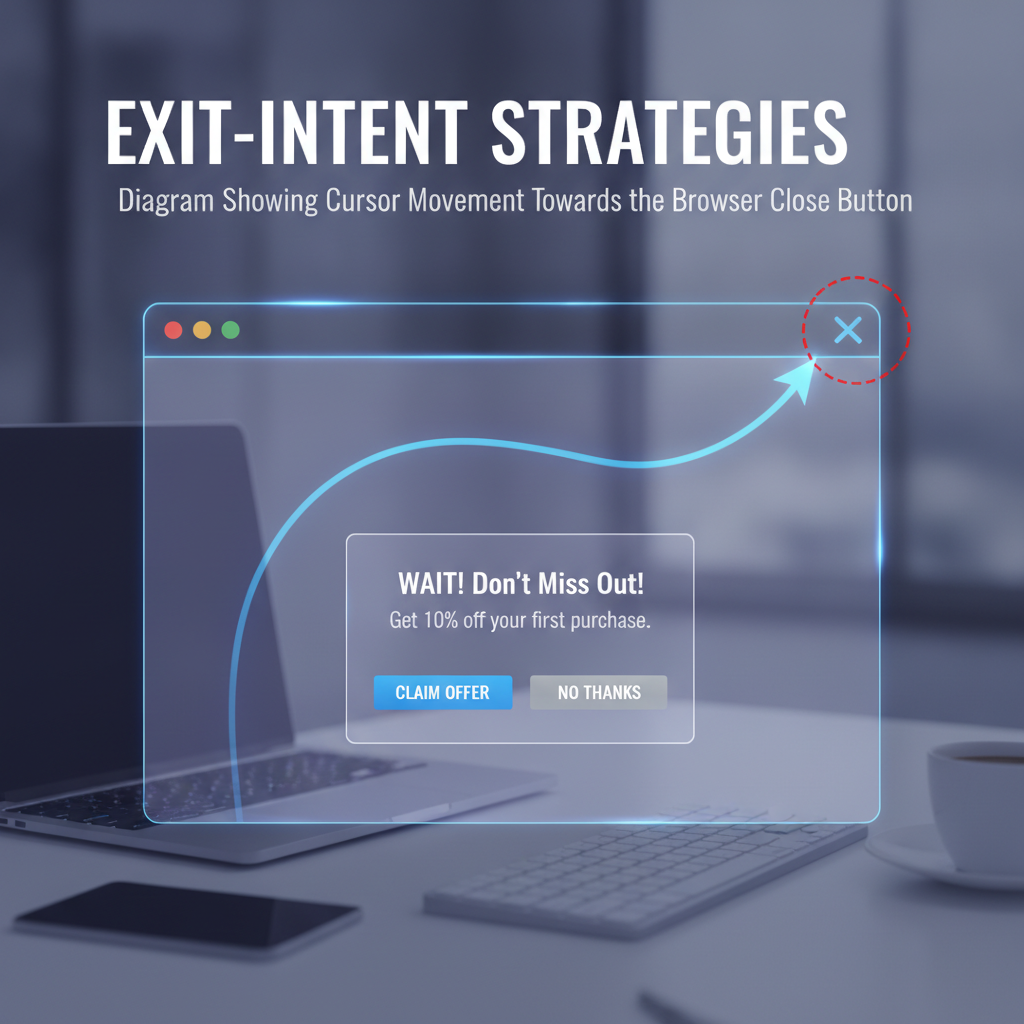
Exit-intent technology relies on real-time behavior tracking, primarily evaluating cursor trajectory, velocity, and scrolling patterns to predict user abandonment.
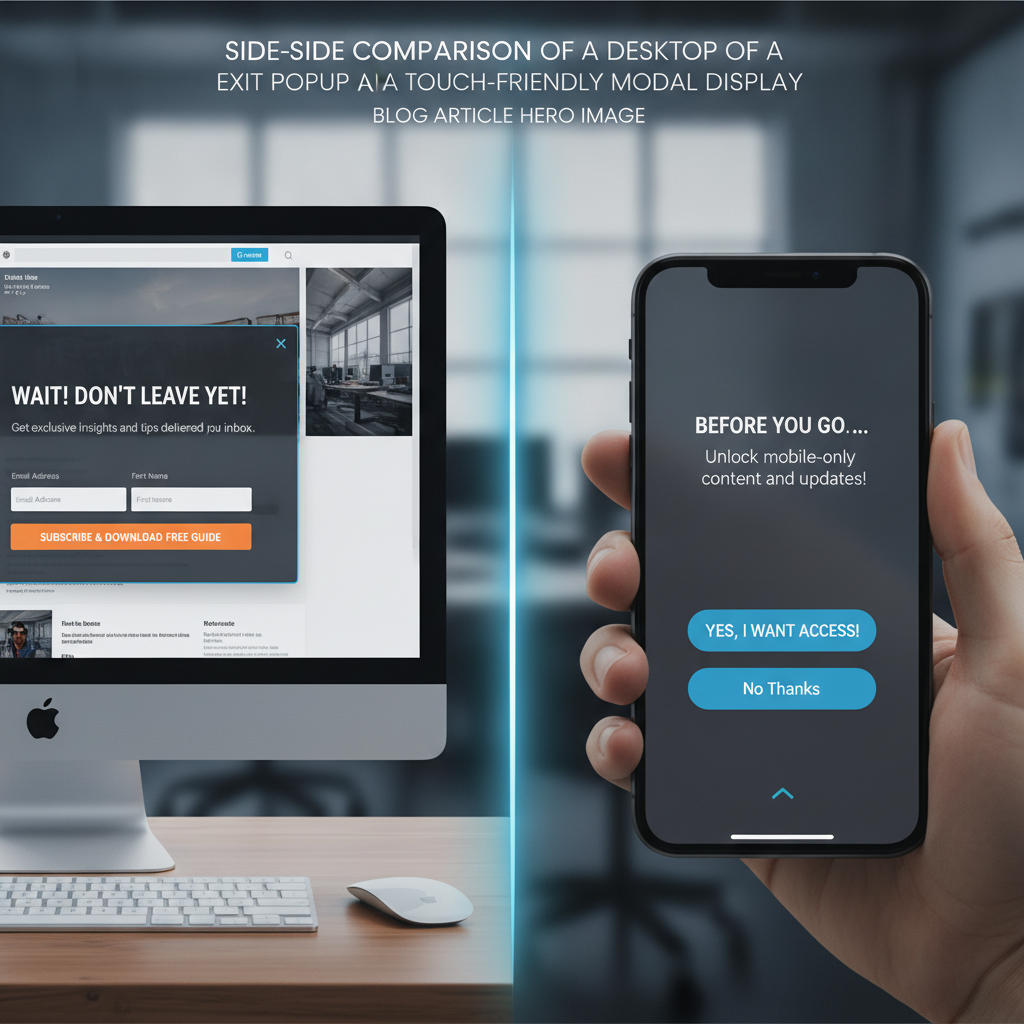
On desktop browsers, the underlying scripts track mouse movements toward the top of the browser window. Specifically, these scripts detect interactions directed at the browser address bar, back button, bookmark menu, or tab closing icon. On mobile devices—where cursor tracking is unavailable—exit-intent triggers monitor secondary engagement signals. These include rapid upward scrolling, repeated pressing of the back button, switching tabs, or extended user inactivity.
Why Are Exit-Intent Popups More Effective Than Standard Popups?
Exit-intent overlays yield significantly higher conversion rates than standard entry popups because they respect the visitor's reading flow and delay interaction until interest has already been established.
Standard popups frequently interrupt users within seconds of landing on a page, creating immediate friction and increasing abandonment. In contrast, an exit-intent overlay activates only after a visitor has consumed your content or evaluated your offerings. Based on real-world results across digital campaigns, waiting until the end of a session respects the visitor's focus and improves receptivity, resulting in average conversion rates between 2% and 5%, compared to less than 1% for intrusive entry modals.
"Respecting the user's journey is critical. Presenting an offer after visitors have absorbed your value proposition dramatically increases response rates while keeping your brand reputation intact."
How Do Exit-Intent Popups Reduce Bounce Rate and Boost Conversions?
An exit intent popup helps reduce bounce rate by offering visitors an immediate, tailored reason to explore an additional page or submit their contact information before exiting.
A single-page session without subsequent action is categorized as a bounce by analytics tools. By providing an engaging secondary pathway—such as a related guide, a helpful tool, or an exclusive promotional offer—you encourage users to take another step, extending session duration and signaling positive engagement to search algorithms.
What Are the Most Effective Offers for Exit-Intent Overlays?
The most successful exit-intent campaigns offer incentives that directly match the user's current stage in the buying journey while providing immediate value.
In practice, lead magnets such as downloadable checklists, industry templates, and discount codes generate the highest response rates. E-commerce platforms achieve strong results using cart-abandonment offers like free shipping, whereas service businesses benefit from offering quick consultations or comprehensive resources.
📈 Average Conversion Rate by Exit Offer Type
How Do Exit-Intent Popups Impact Search Engine Optimization (SEO)?
Exit-intent popups do not harm SEO performance when designed in compliance with search engine guidelines regarding mobile intrusive interstitials.
Official guidelines from Google Search Central emphasize avoiding disruptive overlays that hide primary content immediately upon arrival. Because exit overlays appear only when a user chooses to leave and do not block initial content indexation, they remain compliant. However, site owners must ensure mobile implementations do not impair overall page load speed or fail mobile usability standards evaluated by Core Web Vitals.
What Are the Best Practices for Designing Exit-Intent Popups?
Designing an effective exit-intent campaign requires balancing visual clarity, direct value propositions, and responsible user frequency rules.
Following structured design steps helps ensure your messaging assists your audience rather than creating frustration.
Step 1: Crafting Clear, High-Value Messaging
Your overlay headline must communicate a clear benefit within two seconds of display.
Avoid vague headlines such as "Wait! Don't go!" Instead, use specific, value-driven language like "Save 10% on Your First Order Today" or "Download Our Step-by-Step Optimization Guide." Minimizing input fields is equally vital; requesting only an email address keeps friction low and maximizes completion rates.
💡 Tip
Streamline form design on exit popups. Requesting only an email address typically yields a 20% to 30% higher completion rate compared to forms asking for names, phone numbers, and job titles simultaneously.
Step 2: Implementing Timing and Frequency Rules
Setting sensible frequency limits protects returning visitors from popup fatigue and maintains long-term brand credibility.
A common scenario we encounter involves over-exposing returning audience members to repetitive offers. We recommend configuring cookie parameters so that a user who closes an overlay does not see it again for at least 7 to 14 days. Additionally, implement a short delay (such as 3 to 5 seconds) after page load before tracking triggers to prevent popups from appearing for accidental clicks.
Step 3: Optimizing for Mobile Devices
Mobile exit overlays require tailored interaction triggers and clean visual designs optimized for smaller screens.
Because mobile devices rely on touch interactions, use triggers based on scroll acceleration or back-navigation taps. Ensure the close button ("X") is prominently sized and easy to tap without accidental clicks, protecting the mobile browsing experience.
📉 Bounce Rate Reduction Trend (First 90 Days)
What Common Pitfalls Should Businesses Avoid with Exit Overlays?
Businesses can maintain high site trust by avoiding overly aggressive language, hidden opt-out options, and irrelevant offers.
"Aggressive 'confirm-shaming' tactics—such as opt-out buttons reading 'No thanks, I dislike saving money'—erode customer goodwill and harm long-term brand perception."
To preserve brand trust, avoid these key missteps:
- Obscured Exit Options: Always make the close button clearly visible so visitors feel in control.
- Mismatched Offers: Match your incentive to the specific page context (e.g., offer a software checklist on technical blog posts, rather than a generic promotional code).
- Unoptimized Scripts: Ensure third-party popup scripts load asynchronously to avoid delaying main page content rendering or negatively affecting site speed metrics.
Key Takeaways for Implementing Exit-Intent Messaging
Exit-intent technology remains one of the most reliable ways to re-engage prospective customers right before they leave your site.
- An exit intent popup provides a non-intrusive method to capture leads without disrupting early browsing.
- Contextual lead magnets and simple opt-in forms help reduce bounce rate while growing subscriber lists.
- Setting strict frequency caps and adhering to mobile interstitial guidelines ensures a trustworthy, professional experience for all site visitors.
Meet Your Visitors with Value Before They Say Goodbye
Every person navigating through your website is looking for solutions tailored to their specific needs and timing. When a visitor prepares to leave, it rarely means they aren't interested—it often just means they need a gentler next step, a simpler offer, or a lower-friction way to stay connected. By treating every exit point as an opportunity to provide genuine assistance, you build goodwill while building your audience.
If you want to create intuitive, human-centered exit strategies that respect your visitors and yield real growth, we are here to support your vision. Reach out today to design dynamic onsite messaging that converts with care.
