
Customer Segmentation: Why Treating Every Customer the Same Costs You Sales
Quick Answer
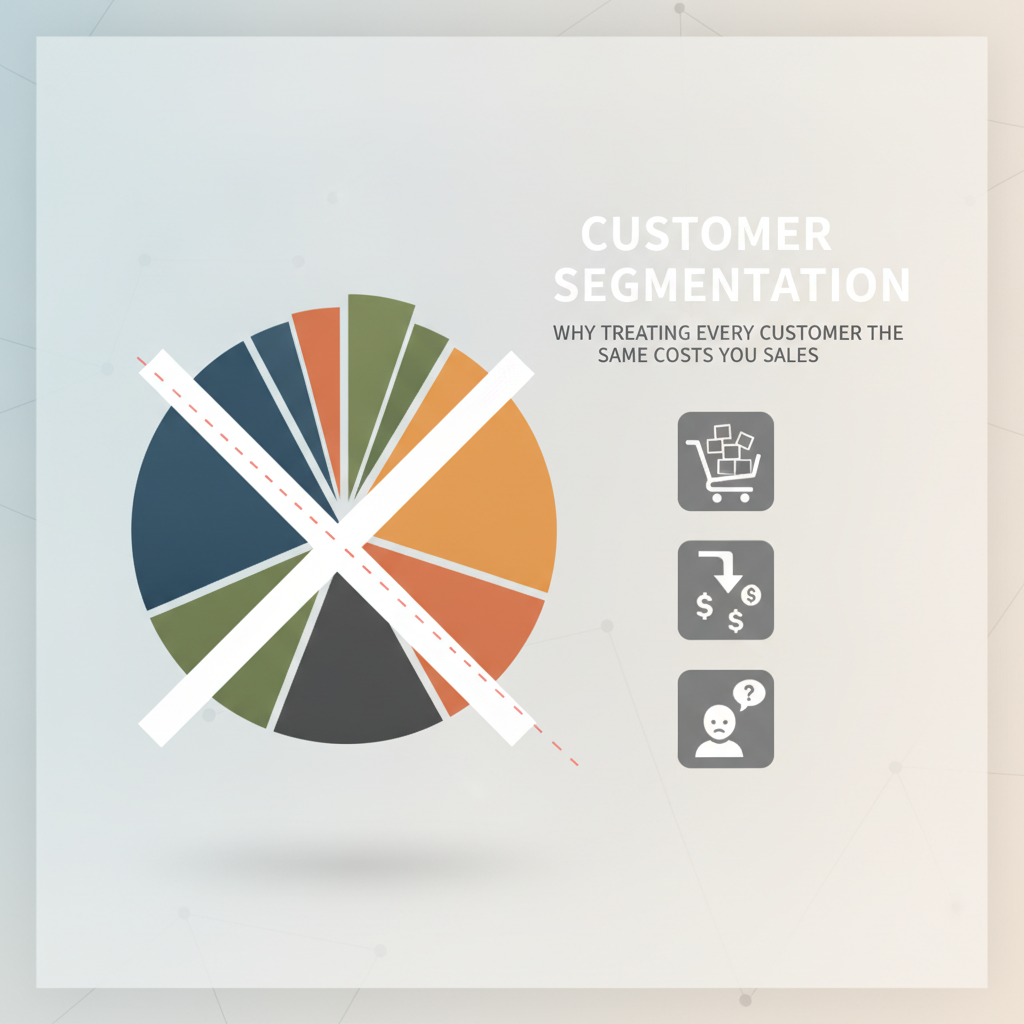
Customer segmentation is the process of dividing a broad customer base into subgroups of consumers who share similar characteristics, allowing businesses to tailor marketing efforts, product offerings, and communication strategies. This targeted approach prevents the costly mistake of treating all customers identically, which can lead to inefficient spending, missed sales opportunities, and diluted customer relationships.
In today's dynamic business landscape, a one-size-fits-all approach to your customers is increasingly becoming a recipe for missed opportunities. Every customer is unique, with distinct needs, preferences, and behaviors. Recognizing these differences through effective customer segmentation is not just a best practice; it's a fundamental strategy for sustainable growth and meaningful engagement. When you understand who your customers truly are, you can connect with them on a deeper level, offering solutions that resonate, and ultimately, building lasting relationships that translate into sales and loyalty.
What is Customer Segmentation and Why Does It Matter?
Customer segmentation is the strategic process of dividing your entire customer base into smaller, more manageable groups based on shared attributes. The goal is to identify distinct segments that will respond similarly to specific marketing efforts or product features. This foundational practice is critical because it moves businesses beyond generic interactions to highly personalized and impactful engagements.
Defining Customer Segmentation
Customer segmentation involves analyzing data to group customers by characteristics such as demographics (age, gender, income), geography (location), behavior (purchase history, website activity, product usage), and psychographics (lifestyles, values, interests, personality traits). By grouping customers in this way, you gain a clearer picture of their needs and motivations. For example, a business might segment customers into "first-time buyers," "high-value loyalists," or "dormant customers" to address each group with specific strategies.
Research indicates that companies using customer segmentation effectively see a 76% increase in engagement and a 50% improvement in customer retention rates compared to those that do not.
The Core Benefits of Segmentation
The primary benefit of customer segmentation is its ability to drive more relevant and effective marketing and sales initiatives. When you understand your segments, you can:
Improve Marketing ROI: Target your campaigns more precisely, ensuring your messages reach the right audience at the right time.
Enhance Customer Experience: Provide personalized product recommendations, content, and support, making customers feel understood and valued.
Increase Customer Retention: Address specific pain points and desires of different segments, building stronger relationships and loyalty.
Boost Sales and Conversions: Present offers that are highly relevant to a segment's needs, leading to higher conversion rates and sales volume.
📊 Estimated Benefits of Effective Customer Segmentation
Why Treating All Customers the Same is a Costly Mistake
A generalized approach, where every customer receives the same communications and offers, is a significant drain on resources and a common reason for underperforming sales. It inherently overlooks the diverse needs and aspirations within your customer base, ultimately leading to disinterest and attrition.
Missed Opportunities for Personalization
When you treat all customers uniformly, you miss critical opportunities to personalize their experience. Generic messages rarely resonate, as they fail to address the specific challenges or desires of individual customers. For instance, sending a promotion for a beginner's product to a highly experienced user is not only irrelevant but can also be perceived as a lack of understanding. This lack of personalization can lead to lower open rates on emails, ignored advertisements, and ultimately, lost sales. In practice, businesses that fail to personalize often see their churn rates rise, as customers seek out competitors who offer more tailored interactions.
Inefficient Resource Allocation
Without segmentation, your marketing budget and team's efforts are spread thinly across an undifferentiated audience. This often means you're spending money on customers who are unlikely to convert, or on channels that don't effectively reach your most valuable segments. For example, if your high-value customers primarily engage through email, but you're investing heavily in social media ads for everyone, your budget isn't working as hard as it could. This inefficiency can inflate your customer acquisition costs (CAC) and depress your overall return on investment (ROI).
Damaged Customer Relationships
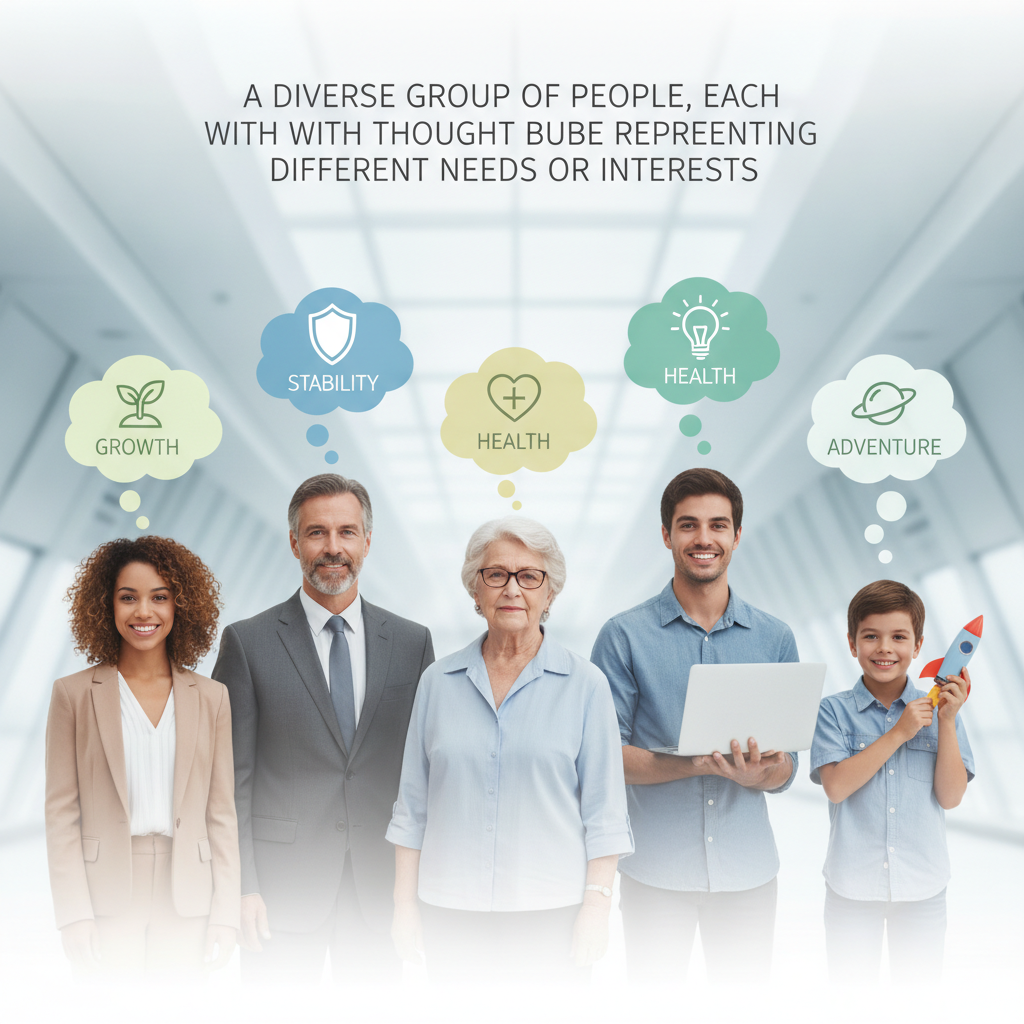
Ignoring individual customer needs can lead to frustration and a sense of being just another number. Customers today expect businesses to understand them and provide relevant experiences. Receiving irrelevant promotions, being contacted too frequently with generic messages, or not having their specific concerns addressed can erode trust and loyalty. This can damage customer relationships, leading to negative reviews, reduced repeat purchases, and a diminished brand reputation. We've seen firsthand how a well-meaning but untargeted campaign can inadvertently alienate loyal customers.
How Do You Segment Your Customers Effectively?
Effective customer segmentation involves a thoughtful process of identifying relevant criteria, applying them to your customer data, and then acting on the insights. It's about creating meaningful groups that inform your strategy, rather than just arbitrary divisions.
Key Segmentation Criteria
To segment your customers, consider these primary categories:
Demographic Segmentation: Based on observable, quantifiable population traits like age, gender, income, education, occupation, family size, and ethnicity. (Example: targeting college students with budget-friendly offers.)
Geographic Segmentation: Divides customers by physical location, such as country, region, city, or even climate zones. (Example: promoting winter wear in colder climates.)
Behavioral Segmentation: Groups customers based on their interactions with your brand, including purchase history, product usage, website activity, loyalty, and engagement level. (Example: offering loyalty rewards to frequent buyers.)
Psychographic Segmentation: Focuses on customers' psychological attributes, including their lifestyle, values, interests, personality traits, and opinions. This type of segmentation helps you understand why customers buy. (Example: targeting environmentally conscious consumers with sustainable product lines.)
💡 Tip
When applying psychographic segmentation, consider conducting surveys or analyzing social media engagement to uncover deeper motivations and values. This qualitative data can provide rich insights that quantitative data alone might miss, allowing for truly resonant messaging.
Mapping Segmentation to the Buyers Journey
Understanding the buyers journey—the process a customer goes through from awareness to purchase and beyond—is crucial for effective segmentation. Each stage of the journey presents different needs and opportunities for engagement:
- 1 Awareness: Customers are identifying a problem. Segment them by the problem they are trying to solve or the information they are seeking.
- 2 Consideration: Customers are researching solutions. Segment them by the types of solutions they are exploring or their specific criteria for evaluation.
- 3 Decision: Customers are ready to purchase. Segment them by their readiness to buy, preferred payment methods, or specific offers they might respond to.
- 4 Retention/Advocacy: Customers have purchased and are using your product. Segment them by their usage patterns, satisfaction levels, or potential for advocacy.
By aligning your customer segments with their current stage in the buyers journey, you can deliver timely and relevant content, offers, and support.
Practical Steps for Email List Segmentation
Email list segmentation is one of the most direct and impactful applications of customer segmentation. Here’s a streamlined approach:
- 1 Collect Data: Gather information during signup, through surveys, purchase history, and website tracking.
- 2 Define Segments: Based on your chosen criteria (e.g., demographics, behavior, psychographics), create distinct groups. Common segments include:
New Subscribers (no purchase yet)
First-Time Buyers
Repeat Customers
High-Value Customers
Cart Abandoners
Engaged vs. Unengaged Subscribers
- 1 Automate Campaigns: Set up automated email sequences tailored to each segment. For instance, a "welcome series" for new subscribers, or a "re-engagement campaign" for inactive users.
- 2 Personalize Content: Craft subject lines, body copy, and calls-to-action that speak directly to the segment's needs and interests.
📊 Average Lift in Conversion Rates from Segmented Campaigns (Industry Est.)
Common Pitfalls and Best Practices in Segmentation
While customer segmentation offers immense advantages, there are common missteps that can hinder its effectiveness. Avoiding these pitfalls and adopting best practices ensures your segmentation strategy remains agile and impactful.
Avoiding Over-Segmentation
One common pitfall is creating too many segments, leading to "over-segmentation." While it sounds like you're being precise, having dozens or hundreds of tiny segments can become unmanageable and dilute your efforts. Each segment requires dedicated attention and tailored content, which can quickly overwhelm resources. The key is to find the right balance:
Focus on Actionability: Each segment should be large enough to be profitable and distinct enough to warrant a unique strategy.
Start Broad, Then Refine: Begin with a few key, broad segments and refine them as you gather more data and understand their responses.
Test and Measure: Constantly evaluate the performance of your segments. If two segments respond similarly to the same messages, they might be better off combined.
Continuous Optimization of Segments
Customer needs and market conditions are constantly evolving, so your segmentation strategy should not be static. It requires ongoing review and optimization to remain relevant and effective.
Regular Review: Periodically review your segment definitions and the performance of your campaigns within each segment. This might be quarterly or bi-annually, depending on your business.
A/B Testing: Continuously A/B test different messages, offers, and channels within your segments to identify what resonates best.
Integrate New Data: As you collect new data—from new product launches, customer feedback, or market trends—incorporate it into your segmentation model. This might involve adjusting existing segments or creating entirely new ones.
- Listen to Your Customers: Pay close attention to direct feedback, support queries, and social media conversations. These qualitative insights often reveal emerging needs or frustrations that can inform your segmentation efforts.
Meet Your Customers Exactly Where They Are
Behind every data point, inquiry, or purchase is a real person seeking solutions that fit their unique story. Moving away from generic broad-spectrum messaging allows you to replace digital noise with meaningful, human conversations that genuinely respect your customer's time and interests.
Building a customer segmentation strategy that feels natural, intuitive, and profitable takes clarity and care. If you are looking to bring deeper engagement and lasting value to your audience strategy, let's start a conversation today to build customer relationships that stand out and endure.
